
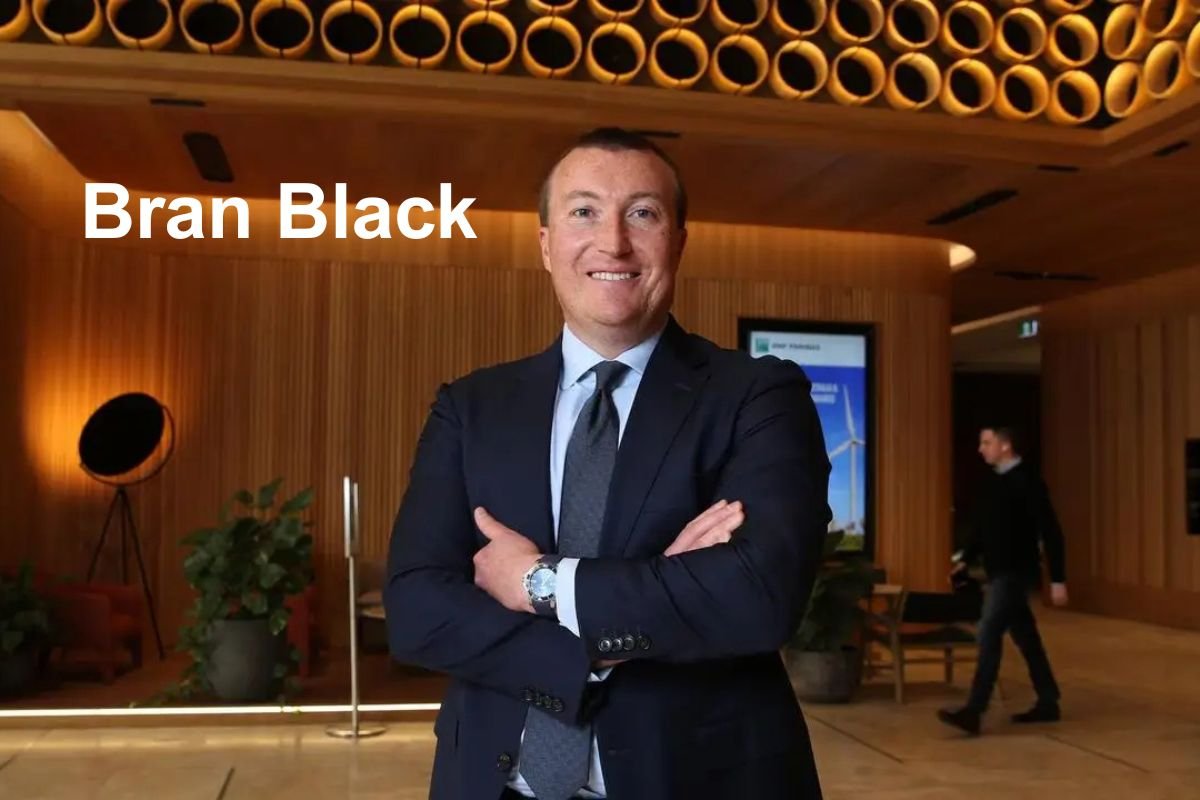
During a period of profound national transformation, Bran Black has become a prominent player in Australian business policy. In his capacity as CEO of the Business Council of Australia, he collaborates with significant businesses nationwide to address opportunities and structural issues that impact long-term planning, investment, and development. His background in law, administration, corporate leadership, and educational design demonstrates a career based on collaboration, public service, and strategic thinking. Gaining knowledge about his history, goals, and leadership style may help one better understand how important commercial and governmental choices are discussed, influenced, and carried out in Australia today.
Early Learning and Professional Basis
Bran Black earned a Bachelor of Arts and a Bachelor of Laws with Honors while attending the University of Sydney. His educational background included legal reasoning, research, communication, and analytical study. His early work as a business lawyer, where he advised on contractual issues, dealt with commercial clients, and analyzed regulatory frameworks, was influenced by this background. His early experience gave him the ability to think strategically, negotiate, and comprehend the structural guidelines that govern commercial operations.
Enter the Public Sector
Bran transitioned from corporate law to public service in New South Wales. He held chief of staff positions in four governmental ministries, including those of the NSW Treasurer and Premier. Ministerial advice, departmental communication coordination, policy material preparation, stakeholder relationship management, and cabinet decision support were all part of these responsibilities. He gained firsthand knowledge of significant policy issues, decision-making procedures, and high government goals throughout this phase of his career.
He was exposed to topics including state budgeting, infrastructure development, regulatory reform, and economic management throughout his time in public service. Additionally, it necessitated responding quickly to public pressure and striking a balance between conflicting interests from communities, businesses, and governmental organizations. Working directly with ministers gave me insight into how concepts are turned into laws, policies, and results.
Higher Education Strategic Work
Bran used his skills in administration to the field of higher education. At the University of New South Wales, he was appointed Chief of Strategic Initiatives, where he oversaw long-term planning for academic departments, research initiatives, and institutional collaborations. Strategic planning, team initiatives, and the creation of long-term educational goals were all part of his job.
Later on, he rose to the position of Chief Executive Officer of the NUW Alliance, a collaboration between the Universities of Newcastle, New South Wales, and Wollongong. As part of this responsibility, leading institutions have to work together to achieve common goals including regional development, research capacity, innovation, and expanding educational access. The Alliance showed a propensity to bridge broad organizational interests for broader societal benefit and an emphasis on fostering connections across institutions rather than rivalry.
Membership in the Australian Business Council
Bran Black’s appointment as CEO of the Business Council of Australia was announced in August 2023. In September of that year, he started the position. Large employers in industries like energy, resources, banking, telecommunications, manufacturing, technology, infrastructure, transportation, and retail are represented by the Business Council, the main national business organization.
The group collaborates with governments to advance legislative frameworks that encourage investment, innovation, corporate confidence, and the expansion of the national economy. In his capacity as CEO, Bran is a major voice in public discourse about long-term development plans, workforce planning, regulatory frameworks, and economic goals. Meeting with business executives, writing proposals to governments, testifying in public, and collaborating to achieve policy objectives are all part of his job.
Themes of Leadership Vision and Priorities
Bran often emphasizes productivity as the primary driver of living standards, wage growth, and Australia’s long-term competitiveness. He contends that significant projects may be unlocked and international investment encouraged by improved planning, more effective approval procedures, and clear regulations. In areas like infrastructure, energy transition, technology, engineering, and sophisticated manufacturing, he believes that workforce development and skills are crucial for the country’s progress.
Under his direction, the Business Council discusses policy issues pertaining to innovation, environmental regulation, energy supply, migration policy, infrastructure delivery, and industrial relations. In order to achieve economic change that promotes employment, sustainable development, and long-term opportunity, he emphasizes the need for collaboration between the government and business.
Individual Dedication and Participation in the Community
In addition to his position as national business leader, Bran is a director of PCYC NSW, a state-wide organization that promotes youth development, mentorship, and community participation. Additionally, he contributes at his local surf lifesaving organization as a patrol captain. These pledges demonstrate a desire for public service and community involvement outside of business and policy activities.
In particular, volunteering in surf life saving requires cooperation, education, decision-making, and accountability for public safety, all of which demonstrate a pragmatic approach to leadership and service. Being involved in community organizations shows that Bran’s leadership is not only found in government buildings and boardrooms.
Professional Style and Media Commentary
Bran’s leadership style is described in his profiles as being founded on polite communication, early involvement, and helpful issue solutions. He has discussed the need for integrity, consistency, and hearing other viewpoints, especially while navigating challenging policy discussions. His strategy is often characterized as cooperative as opposed to combative.
He has a comprehensive view on national challenges because of his mix of legal background, government experience, policy understanding, and strategic academic work. This background facilitates an understanding of organizational requirements, long-term planning, and the real-world difficulties associated with putting policy into practice.
Present Economic Situation and Continued Obligations
At the time of Bran’s leadership, Australia was dealing with serious economic issues. Workforce shortages, energy transition, global investment rivalry, housing supply problems, technology upheaval, and long-term infrastructure planning are among the challenges the nation is facing. Under his direction, the Business Council looks to provide suggestions for enhancing both national productivity and business environment.
How regulatory change, innovation policy, the development of renewable energy, migration settings, and skills programs might improve economic resilience is a topic of continuous discussion. In order to achieve these national goals, Bran’s job entails combining public policy ideas with corporate expertise.
Priorities in Economics Under Bran Black’s Guidance
Under Bran Black’s leadership, the Business Council of Australia has made increasing the country’s competitiveness and productivity a top priority. He has emphasized the need of long-term policy frameworks that provide big businesses the confidence to invest. Reducing regulatory delays, enhancing worker competencies, and promoting infrastructure and sustainable energy development are important concerns. Bran has said time and time again that promoting corporate investment would raise living standards and provide more job possibilities. His continuous conversations with government representatives and business executives focus on ensuring an economic climate that offers stability, predictability, and space for innovation.
Methodology for National Planning and the Energy Transition
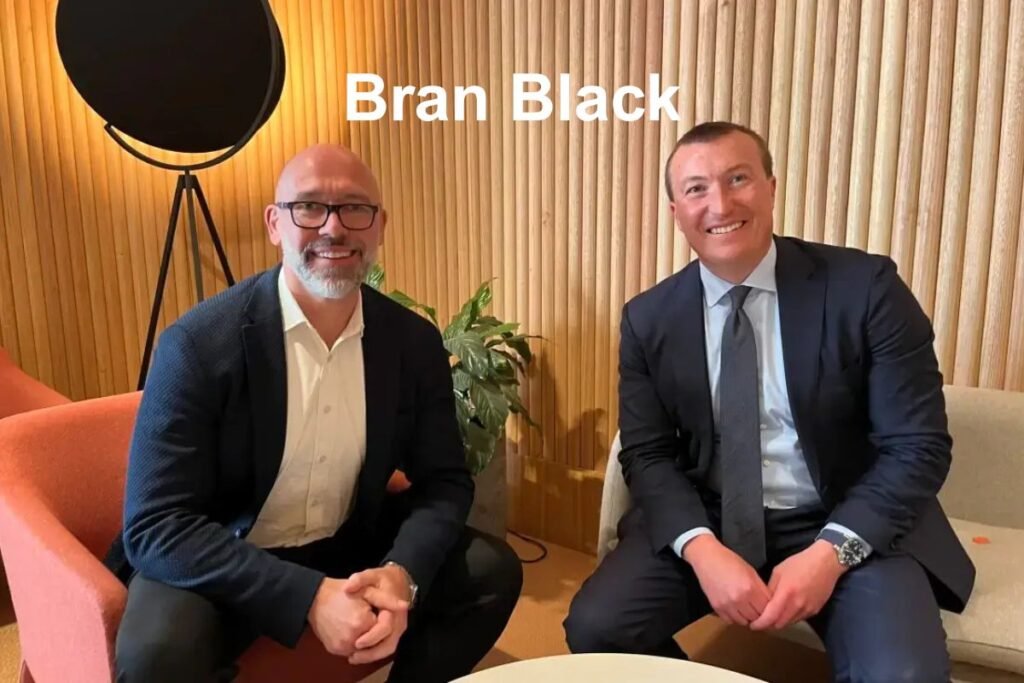
One of the most crucial topics that business, the government, and the community continue to address is energy policy. Bran has often emphasized how crucial it is to plan ahead and take decisive action on the energy transition, contending that Australia has to have a dependable energy system that helps companies and lowers emissions. He is in favor of striking a balance between economic results and environmental factors. There is always debate over how big projects can go forward faster while still adhering to environmental regulations, especially in the fields of essential minerals and renewable energy. The Business Council advocates for a strategy that synchronizes long-term energy objectives, planning approvals, and investment.
Interaction with Academic Institutions, Business, and Government
Bran has collaborated with executives from a variety of industries during his career, which has allowed him to provide a distinct viewpoint to policy discussions. His roles in academics, corporate strategy, and government have influenced a collaborative rather than confrontational attitude. In contrast to waiting for policy to be developed without corporate input, he advocates for early stakeholder engagement, communication-based issue resolution, and active participation in developing solutions. He often attends advisory forums, government department meetings, and public gatherings where industry perspectives are heard and debated in his capacity as Chief Executive of the Business Council. Instead of seeing problems as competing interests, this engagement promotes a consistent framework in which industry and government collaborate on national concerns.
Future Course and Effect on the Nation
Over the next several decades, employment, living standards, and economic possibilities will be shaped by the choices taken by the government, businesses, and institutions now. Because of his position, Bran participates in national discussions on how to boost investment, increase productivity, and build labor capacity in developing sectors. His work may have an impact on significant reform initiatives pertaining to energy legislation, tax frameworks, planning systems, and incentives for innovation.
Collaboration between the public and private sectors will determine the future course of Australia’s economy. A key component of Bran’s strategy is leadership that acknowledges conflicting goals and strives for common solutions.
Conclusion
A career in law, public policy, education strategy, and national corporate lobbying is what Bran Black has done. His background enables him to link organizations, comprehend long-term problems, and promote workable solutions. He lectures on important topics influencing investment, skills, competitiveness, and economic planning in his capacity as Chief Executive of the Business Council of Australia. His focus on dialogue, community service, and pragmatic change demonstrates a leadership approach based on collaboration and policy knowledge.
Bran continues to play an important role in influencing policy conversations as Australia adjusts to the energy transition, global change, and competitiveness for talented people. He is at the center of crucial economic choices for the nation because of his leadership, which helps with national planning in areas that impact employment, growth, and living standards.
FAQs
Who is Bran Black?
Bran Black is the Chief Executive of the Business Council of Australia, working with major employers and national decision makers on economic planning, investment and policy issues.
What is Bran Black’s educational background?
He studied at the University of Sydney, graduating with a Bachelor of Arts and a Bachelor of Laws with Honours before beginning his professional career in corporate law.
Which roles did Bran Black hold in government?
Bran served as chief of staff in several New South Wales ministerial portfolios, including roles supporting the NSW Premier and NSW Treasurer, where he worked on policy development and cabinet coordination.
What is the Business Council of Australia?
The Business Council of Australia represents some of the country’s largest employers across a wide range of industries. It provides input on major economic and policy matters impacting investment, growth, skills and national competitiveness.
What are Bran Black’s main policy interests?
His public comments highlight priorities such as productivity growth, investment confidence, regulatory reform, infrastructure planning, skills development and energy transition.
What experience did Bran have before joining the Business Council?
Before leading the Business Council, he worked in higher education as Chief of Strategic Initiatives at the University of New South Wales and later as Chief Executive of the NUW Alliance, a partnership of three universities in NSW.
Does Bran Black participate in community work?
Yes. He serves as a director of PCYC NSW and volunteers as a patrol captain for his local surf life saving club, showing interests in youth development and community safety.
Why is Bran Black considered influential in national policy debates?
His role connects business leaders with the government, allowing him to provide input on major national issues including energy, migration, regulation, employment and economic planning, which shape long-term outcomes for Australian industries and workers.