
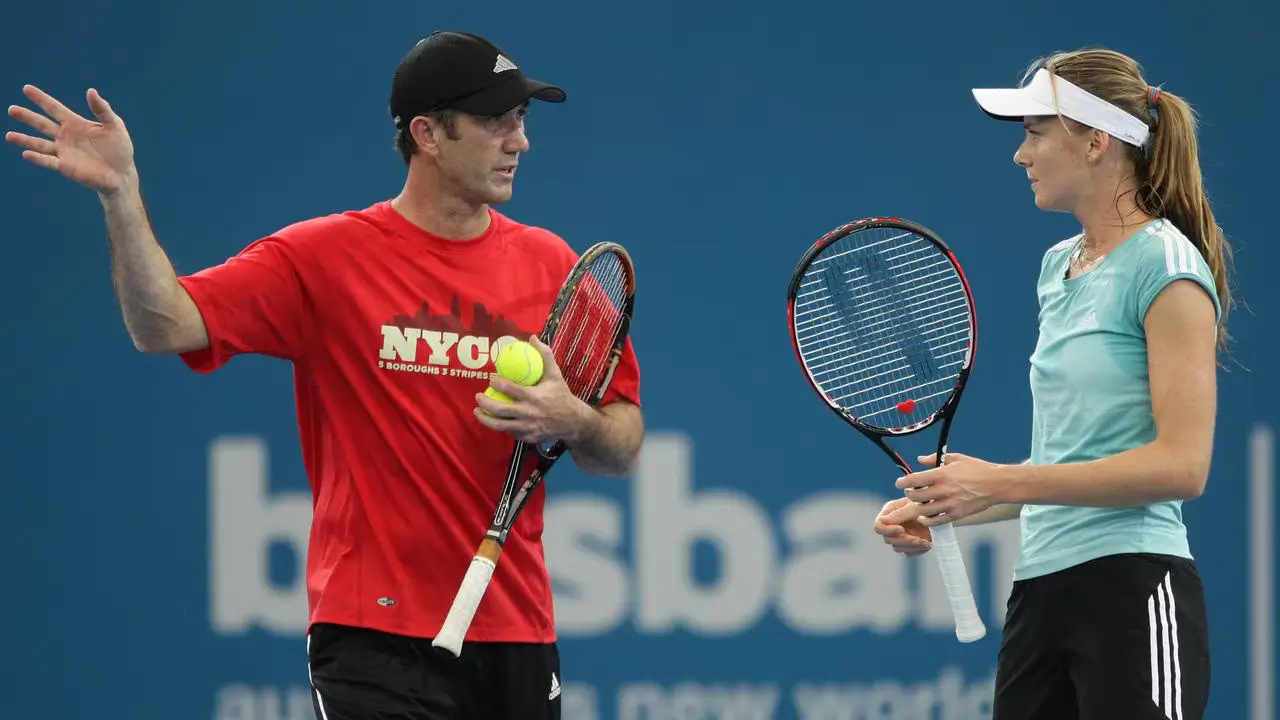
Searches for “darren cahill illness” spike every time the Adelaide-born coach disappears from TV coverage, skips a tournament or speaks about one of his players being sick. For Australian tennis fans, the concern is straightforward: is something wrong with one of the sport’s most respected minds?
In reality, most verified information about Darren Cahill’s health comes from his own comments on mental health and depression, as well as his heavy travel schedule and occasional coaching breaks. Claims about physical illness – including chatter about cancer or heart problems – stem largely from low-credibility online sources rather than mainstream reporting.
This long-form guide explores darren cahill illness from every angle supported by reputable information. It looks at his playing and coaching background, why fans keep Googling his name, what he has said publicly about depression, the difference between rumours and verified facts, how he supports players like Jannik Sinner during health challenges, and what his story reveals about resilience and wellbeing in modern professional sport.
Who Is Darren Cahill?
Before unpacking the topic of darren cahill illness, it’s important to understand who Darren Cahill is and why he attracts such public interest.
Darren Cahill was born in Adelaide on 2 October 1965 and rose through the ranks in the 1980s and early 1990s as a highly competitive Australian tennis player. He reached a career-high singles ranking of world No. 22, making him one of Australia’s top performers of the era. He also reached the semi-finals of the US Open in 1988, a run that cemented his international reputation. Further success came in doubles, where he climbed as high as world No. 10, showcasing his versatility on court.
His professional playing career, however, was eventually cut short due to injuries. This setback marked the beginning of a new chapter. Cahill transitioned seamlessly into coaching and commentary, building an extraordinary career off the court. He has coached some of the sport’s greatest names, including Andre Agassi during the twilight of Agassi’s career. His guidance also helped Lleyton Hewitt reach world No. 1 and capture major titles, a significant milestone for Australian tennis.
Cahill later played a pivotal role in Simona Halep’s career, coaching her to the Roland Garros title and the world No. 1 ranking. More recently, he joined the coaching team of Italian star Jannik Sinner, helping Sinner develop into a world No. 1 player. Alongside coaching, Cahill has become a well-known voice on ESPN’s tennis coverage, further solidifying his global profile.
Given this level of visibility, any change in Cahill’s schedule – whether in coaching or broadcasting – tends to spark online searches like “darren cahill illness”.
Why Do People Keep Searching “Darren Cahill Illness”?
A widely circulated Australian analysis of search behaviour has shown that spikes in the phrase “darren cahill illness” happen mostly when Cahill is unexpectedly absent. This could mean he is missing from live TV coverage, not courtside during a tournament, or not seen in his usual role while one of his top players faces a health issue.
In many cases, fans simply want to know if something is wrong. When they type darren cahill illness, they are often trying to understand whether Cahill himself is unwell – or whether he is commenting on someone else’s condition. This confusion happens because Cahill sits in a rare dual role as both a senior coach and a respected commentator. When he speaks about health matters, especially relating to a world No. 1 player like Jannik Sinner, his quotes are repeated widely across tennis media.
The trend also reflects modern sports culture, where coaches are followed as closely as the athletes themselves. As a result, online rumours grow quickly, and even small tidbits of information can ignite speculation on social media.
Darren Cahill Illness vs Player Illness-The Jannik Sinner Factor
One of the biggest drivers of interest in darren cahill illness over 2024–2025 has nothing to do with Cahill’s health at all. Instead, it relates to the health of his star player, Jannik Sinner.
Jannik Sinner’s Illnesses & Cahill’s Role
In 2025, Sinner suffered several health setbacks. He withdrew from the Cincinnati final against Carlos Alcaraz after appearing visibly unwell, and later withdrew from mixed doubles ahead of his US Open title defence. These incidents created immediate concern among fans and heavy media coverage.
Cahill, as Sinner’s coach, became the primary spokesperson updating the public about the player’s condition. He explained that Sinner had been dealing with a virus and reassured fans that the young Italian would recover. Statements like:
“Jannik suffered from a virus that forced him to retire… He is feeling a bit better now and will rest today… we are confident he will be fine.”
were widely circulated.
How This Creates Confusion
Because so many articles used headlines such as “Darren Cahill provides update on Sinner’s health”, fans searching for news about Sinner – or even searching for Cahill – triggered search engines to associate both names with illness.
This means many people typing darren cahill illness are actually:
- looking for updates on Sinner
- trying to understand why Cahill is speaking publicly about sickness
- reacting to headline placement rather than the content
As a result, Sinner’s health issues often overshadow the fact that Cahill himself is not the one who is ill.
Darren Cahill Illness & Mental Health-His Depression Story
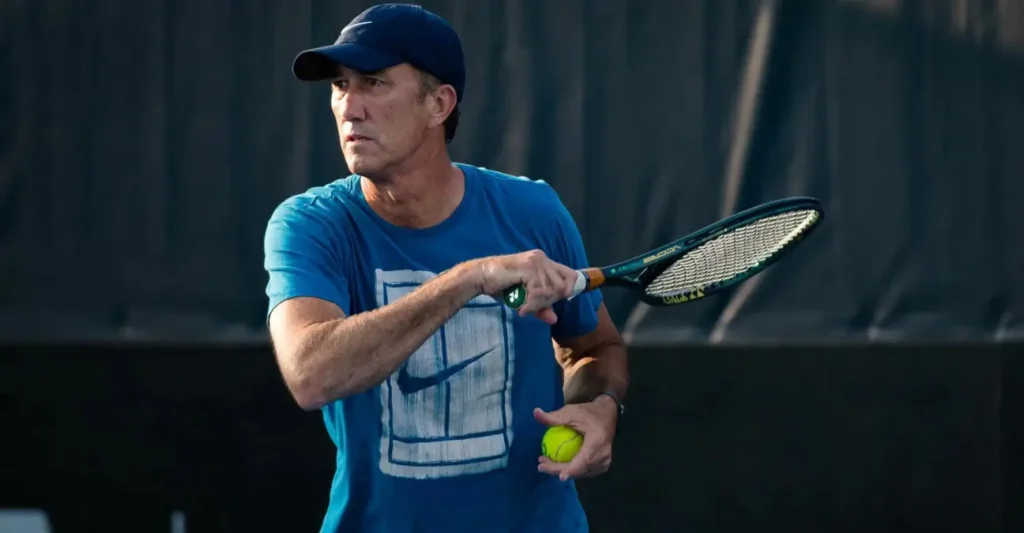
The most reliable and substantial information about darren cahill illness relates to mental health – specifically, Cahill’s experience with depression.
Cahill Speaks Openly About His Mental Health
In 2024, an in-depth published feature revealed that Cahill had gone through a difficult period where he felt “out of whack” but didn’t immediately recognise the symptoms as depression. Eventually, he sought help and received a diagnosis, which he described as surprising and eye-opening.
Cahill later discussed this publicly during a Q&A hosted by an Australian wellbeing organisation. He spoke about the challenges facing young athletes, the pressures of modern sport, and what he called the growing “mental health epidemic” among young players. He admitted that he, too, had dealt with personal struggles during the pandemic and during high-pressure coaching stretches on tour.
His key message was that mental health should be treated just like physical health:
“Players know they are not alone with mental health problems, and they are looking for better ways to deal with them.”
Cahill’s honesty was widely praised, especially in a sport where emotional vulnerability is rarely discussed openly.
What His Depression Story Means
If depression is recognised as an illness – and modern medicine affirms that it is – then darren cahill illness is partly the story of a respected Australian coach confronting a difficult chapter and choosing to be open about it.
Key takeaways:
Darren Cahill’s depression did not present with obvious symptoms, so he didn’t initially understand what was wrong. This mirrors the experience of many people who struggle with mental health, particularly in high-pressure environments.
The diagnosis came as a shock, highlighting how mental illness can affect even high-functioning, emotionally intelligent professionals.
His willingness to publicly discuss his experience has turned him into an advocate for better mental health awareness in tennis. Young athletes and teenagers, who often face overwhelming pressure, can relate to his insights.
His story has helped destigmatise conversations about mental health within the sport.
Coaching Breaks, Family Time & The “Is He Sick?” Question
Another major factor behind darren cahill illness searches comes from times when Cahill stepped away from coaching or commentary roles.
The 2018–19 Break From Coaching Halep
In 2018, after a hugely successful run coaching Simona Halep, Cahill announced he would take a year-long break. He made it clear he wasn’t stepping aside because of illness but because he wanted to devote more time to his family.
He said:
“After much thought and discussion… I’ve decided to take a 12-month break from coaching to be home more for support as our children enter important stages of their lives.”
Media coverage at the time framed this as a rare and admirable decision for a top-level coach, showing his commitment to family over professional obligations.
However, for casual observers online, phrases like “Cahill steps down” or “Cahill takes a break” often start rumours about health, even when the official explanation is simple and clear.
Time Away From Commentary
Cahill has also taken occasional breaks from his ESPN commentary work. These pauses are typically because he is coaching full-time, not because he is unwell. But since tennis fans are used to seeing him on their screens, his absence sparks speculation.
The reality is straightforward: not every absence or break reflects a health issue.
Rumours, Heart Conditions & Cancer-What Is Actually Verified?
The internet is full of rumours about darren cahill illness, but the information falls into two categories: verified and unverified.
Verified Information
The confirmed, reliable facts are:
Darren Cahill has spoken openly about depression and mental health struggles. This remains the only verified health issue he has publicly acknowledged.
Cahill frequently discusses the illnesses of players he coaches — especially Jannik Sinner — which often leads fans to mix up the subject of the illness.
Major sports news outlets continue to report on his coaching commitments, career achievements and commentary work, with no mention of confirmed physical illness.
Unverified Social Media Claims
A large wave of online posts has speculated that Cahill may be battling heart problems or cancer. These rumours often originate from Facebook pages, YouTube-style content and low-credibility blogs that use emotional, attention-grabbing language.
These sources often reference vague “insiders” or anonymous claims. None provide documented evidence, official statements or reputable confirmation.
Crucially, no major tennis organisation, reputable news outlet or official figure has confirmed any of these claims.
Why Verified Information Matters
Given Cahill’s international profile, any confirmed illness of that seriousness would be widely reported by established media. As of late 2025, this has not happened.
Therefore, articles and discussions about darren cahill illness should clearly separate:
- verified mental-health information
- speculation with no reputable backing
This is essential for ethical and accurate reporting.
How Darren Cahill Talks About Health, Resilience & Coaching
Beyond rumours, the discussion around darren cahill illness opens up a broader conversation about Cahill’s philosophy on health and wellbeing.
His Perspective on Resilience
In a 2025 interview focused on the mental demands of tennis, Cahill explained that resilience is not about simply pushing through pain or pretending everything is fine. Instead, real resilience comes from learning through adversity, reflecting on challenges and finding healthier ways to cope.
This perspective is shaped by his own life experiences. Cahill had to retire early due to injuries, forcing him to rebuild his career as a coach and commentator. He has guided multiple world No. 1 players through pressure-filled seasons. He endured personal struggles during the pandemic and learned to recognise the signs of depression before it worsened.
By sharing these experiences, Cahill helps younger players understand that struggling doesn’t mean failing – it is part of being human.
Player Wellbeing as a Priority
Cahill has also spoken openly about the pressures placed on modern athletes. He notes that constant travel, the demands of sponsorships and the intensity of social media can take a toll on mental health. He encourages players to embrace wellbeing strategies, whether that involves psychologists, wellbeing platforms or honest conversations with coaches.
For this reason, the phrase darren cahill illness often leads back to a healthy, constructive message: that wellbeing should be prioritised in elite sport.
Darren Cahill Illness, Privacy & Media Ethics
The conversation around darren cahill illness raises an important ethical question: how much do the public deserve to know about a coach’s private health?
Public Profile vs Private Rights
Cahill is a high-profile coach whose work unfolds on global television. His public presence naturally generates curiosity. Yet he is also a private individual with the same right to medical privacy as anyone else.
If he chooses to discuss depression publicly, that is his decision. If he chooses not to discuss any physical condition – or if there is nothing to discuss – that too is entirely his right.
Responsible Reporting in the Digital Age
For writers, bloggers and journalists, approaching darren cahill illness responsibly means sticking to verified facts, acknowledging rumours without amplifying them and avoiding sensationalism.
This respectful, accurate approach reflects Cahill’s own values: integrity, honesty and wellbeing.
Darren Cahill Illness As a Story of Openness, Not Gossip
When you strip away the speculation, the darren cahill illness story becomes one of openness, honesty and leadership.
Darren Cahill recognised he was struggling with depression and sought professional help. He later chose to speak publicly about his experience, helping reduce stigma and encouraging healthier conversations in tennis.
He continues to coach world-class athletes and remains one of the sport’s most respected strategists. Many online searches about his “illness” are actually about his players, especially Jannik Sinner, whose health updates Cahill often delivers to the media. Meanwhile, rumours about serious physical conditions remain unverified.
For Australian tennis fans and readers, the key message is simple:
Even the strongest figures in sport face personal challenges — and seeking help is a sign of strength, not weakness.