
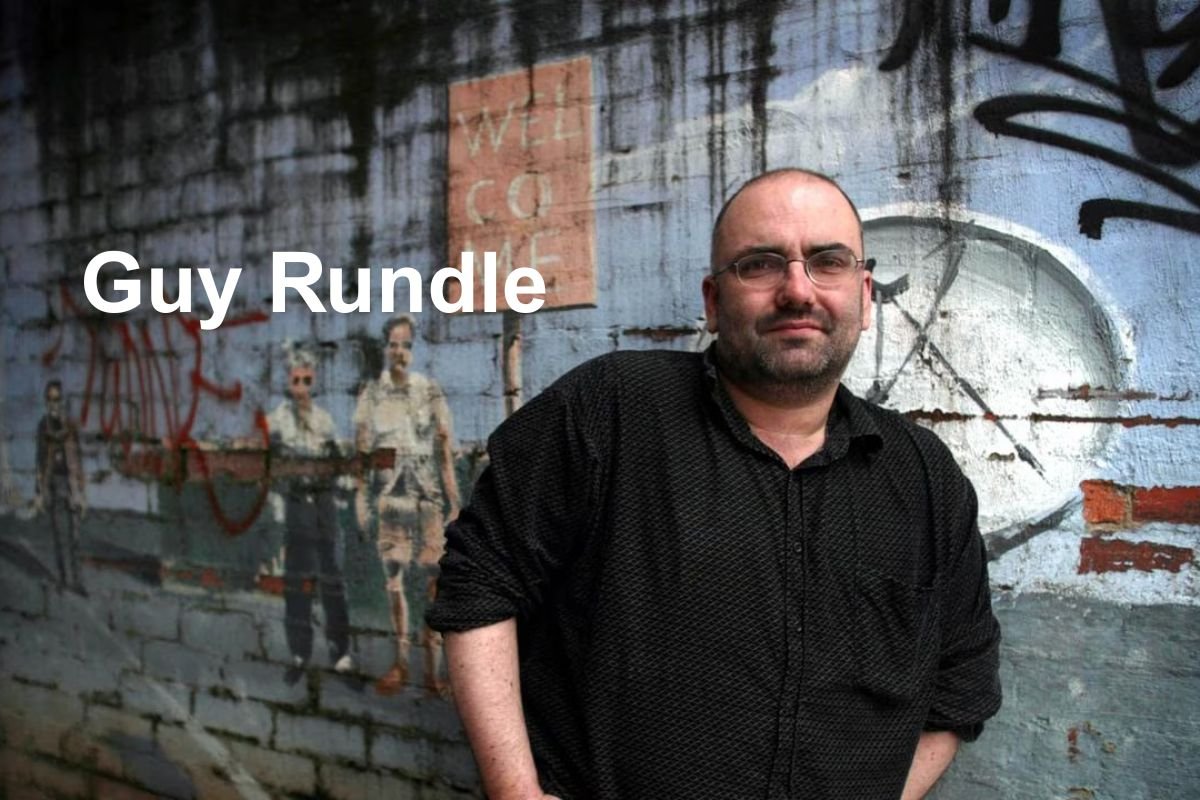
Depression has become one of the most discussed subjects in modern culture, yet the reasons behind its growing presence remain complex and disputed. In Australia and across Western societies, antidepressant medication has moved from specialist treatment to everyday use, and emotional struggle is often treated as a chemical issue rather than a social one. Guy Rundle, a well-known Australian writer and commentator, has examined this trend closely. Drawing on Gail Bell’s essay on pharmaceutical culture, he questions how commercial influence, social change and shifting expectations about happiness have redefined what it means to feel depressed. Rundle’s analysis looks beyond medical explanations, asking why so many people today experience loneliness, anxiety and meaninglessness despite increased awareness of mental health. His writing challenges readers to consider the cultural forces shaping emotional life and the role medication plays in coping with pressures that are often social rather than strictly personal.
Who Is Guy Rundle?
Guy Rundle is a prominent Australian writer, political commentator and cultural critic. He has worked in multiple areas of media, including journalism, television, theatre and book publishing. He served as a correspondent-at-large for Crikey and is an associate editor at Arena Quarterly, where he contributes essays on politics, society and contemporary culture. Rundle has written satire for actor Max Gillies and published several long-form works, including The Opportunist: John Howard and the Triumph of Reaction. His interest in mental health, identity and social transformation reflects his broader concern with power and how cultural systems shape the way people think and live today.
About Gail Bell and Her Antidepressant Essay
Gail Bell is a pharmacist and author who has written extensively about medication, health and emotional wellbeing. Her essay on antidepressant use examines how pharmaceutical companies, medical professionals and cultural expectations changed the way Western societies understand depression. Bell argues that much of the language used to describe low mood was shaped by commercial interests. Her background in pharmacy gives her insight into how clinical practice operates, and why general practitioners often choose medication over conversation. Bell’s work provides a foundation for Rundle’s analysis because it looks at antidepressants not just as drugs, but as cultural products influenced by marketing and public messaging.
Australian Antidepressant Usage and Public Health Context
In Australia, antidepressant prescriptions have increased steadily over the past twenty years. They are one of the most commonly dispensed medications under the Pharmaceutical Benefits Scheme, particularly among women aged between 35 and 60. General practitioners are the main prescribers, with many patients receiving long-term medication for low mood, stress or anxiety. These trends show that antidepressant use is not a niche issue. It is a widespread public health matter shaped by cultural attitudes, access to healthcare and changing mental health awareness. Rundle’s argument gains significance in this context, because the rise in prescriptions highlights a shift toward chemical solutions for everyday emotional challenges.
Criticisms of Guy Rundle’s Argument

While Rundle offers a cultural explanation for depression, some mental health professionals argue that his focus on social change downplays the role of biology. Clinicians treating major depressive disorder, bipolar disorder or trauma-related conditions maintain that medication can be effective when symptoms arise from neurological processes. Others suggest that antidepressants are often one part of a broader treatment approach, alongside counselling, lifestyle changes and community support. Critics of Rundle also warn against suggesting medication produces artificial emotion, noting that many patients feel clearer, more able to cope and more emotionally authentic when symptoms lift. These views show that the debate is complex and requires multiple perspectives.
Key Themes in Guy Rundle’s Commentary
Several recurring ideas define Rundle’s work on depression and culture. One is the concept of authenticity, or how true emotional life can be maintained in a medicated society. Another is identity, particularly the shift from inherited roles in stable communities to individual achievement measured through performance and visibility. Rundle also explores how economic structures, media images and technology affect emotional experience. His writing highlights the tension between chemical solutions and social realities, asking whether medication treats underlying issues or simply helps people function in demanding environments. These themes make his work relevant to ongoing discussions about mental health in Australia.
Practical Considerations for People Using Antidepressants
Rundle does not argue against antidepressants, but suggests that people think about why they seek medication and what other factors might influence their emotional well-being. He encourages exploring life circumstances, support networks, relationships and daily stress. Counselling, community involvement and reflective practice may provide a sense of connection that medication alone cannot offer. While some cases require immediate pharmacological help, many people benefit from understanding the social and cultural elements affecting their mood. Rundle’s approach supports a balanced view that recognises both chemical and non-chemical pathways to managing emotional health.
Guy Rundle’s Background in Australian Media and Commentary
Guy Rundle has built a distinctive presence in Australian media as a writer, commentator and cultural analyst. Known for his work as an executive producer at ABC Arts, former correspondent-at-large for Crikey, associate editor at Arena Quarterly and author of The Opportunist: John Howard and the Triumph of Reaction, he has spent much of his career examining how social forces shape behaviour, emotion and public debate. One of Rundle’s most thought-provoking contributions concerns the way depression and antidepressants have become woven into everyday life. Rather than accepting pharmaceutical explanations at face value, he asks why medication has become a first response for feelings that, not long ago, would have been described as exhaustion, heartbreak or sadness.
Guy Rundle and Gail Bell’s Essay on Pharmaceutical Culture
Rundle engages with Gail Bell’s essay, which looks at the expansion of antidepressant use over recent decades. Bell argues that pharmaceutical companies helped create the very idea of widespread depression by promoting a narrative of chemical imbalance. Beginning in the 1950s, she notes, drug companies such as Merck framed undetected depression as an illness waiting to be discovered. As general practitioners began prescribing antidepressants in the 1960s and 1970s, the belief that people had a right to happiness took hold. When SSRIs arrived in the 1980s, public understanding shifted again. Low mood was increasingly described as a medical issue beyond social context or life experience.
Guy Rundle’s View on Why Depression Became Common
Guy Rundle accepts parts of Bell’s history but insists the causes of widespread depression lie deeper than commercial marketing. He argues that social changes over the past three decades transformed emotional life in Western societies. Depression, in his view, is not simply a medical matter but a cultural and structural response to modern living. He points out that earlier generations often found identity and belonging through extended families, neighbourhood networks, religious congregations, local clubs, trade unions and long-term workplaces. These connections provided recognition, meaning and stability.
The Collapse of Social Identity in Rundle’s Analysis
According to Rundle, such environments have weakened dramatically. Mobility, digital culture, insecure jobs and pressure to constantly present oneself online have pushed identity into fragile territory. Instead of being shaped by community, people’s sense of self must now be constructed alone, often through comparison with images of wealth, fitness, relationships and success. Failure becomes personal, not social. Rundle suggests this shift makes many people more vulnerable to emotional collapse, even when their circumstances appear outwardly stable.
Antidepressants and the Chemical Explanation of Emotional Pain
Rundle does not dismiss depression or claim it is imagined. Instead, he suggests that the rise in antidepressant use reflects a society that produces emotional stress on a broad scale. General practitioners often prescribe medication because patients expect it and because time for deeper discussion is limited. Chemical relief can be real, particularly for conditions such as bipolar disorder or trauma-related anxiety. But Rundle questions whether antidepressants simply mask the cultural problem rather than help resolve it.
Authenticity, Medication and Emotional Meaning
His argument raises important questions about authenticity. If medication alters emotional response, Rundle wonders how meaningful social connection remains in a medicated culture. If smiles, empathy, affection and enthusiasm are chemically produced, are they still genuine? Rundle highlights the risk that emotional expression becomes harder to interpret if many people depend on pharmaceuticals to function. Medication may improve individual experience, yet weaken shared understanding of natural emotional life.
The Case of Angie and Mass-Sameness in Chemical Culture
Rundle explores this issue through the example of “Angie,” a young woman whose Zoloft prescription helps her pursue study, travel and ambition. She sees medication as a way to unlock confidence. Rundle sees a cultural pattern. When Angie meets others who also rely on medication for energy and motivation, she may encounter similarity rather than difference. In seeking depth, she may find uniformity. Rundle’s question is not whether Angie is wrong to take antidepressants, but what this trend means for culture as a whole.
Guy Rundle’s Suggested Approach to Treating Depression
Rundle urges caution rather than prohibition. He argues antidepressants should not be a first choice for every experience of sadness, but one option among many after reflection and discussion. He suggests that psychotherapy should explore social factors, including the effects of media, work, community decline and economic structures, rather than focus solely on individual behaviour or childhood experiences. He believes real understanding of depression requires acknowledging how quickly society has changed and how those changes affect emotional stability.
Modern Culture, Neoliberalism and Emotional Pressure
Part of Rundle’s critique involves the way modern culture treats emotions as assets to manage. He notes that workplaces value positivity, social media rewards visibility and advertising promotes constant self-improvement. The pressure to perform confidence and happiness turns emotion into another measure of success. Weakness becomes a problem to solve. Antidepressants offer a quick fix, but do not challenge the expectations that produce distress in the first place.
Why Guy Rundle’s Argument Matters Today
Rundle’s writing suggests that medication is useful, but that meaning and connection are essential. Depression, he argues, is a sign that something social has been lost. It highlights the emotional cost of a culture built on ambition, comparison and restlessness. He does not recommend a return to the past, but a renewed focus on relationships, purpose and belonging.
By drawing together pharmaceutical history, social change and cultural analysis, Guy Rundle offers a perspective on depression that goes beyond medical diagnosis. His arguments ask why modern life creates so much emotional strain and what society needs to support well-being beyond chemical solutions. Depression may respond to medication, but underlying causes remain in the way people live, work, connect and seek recognition.
Conclusion
Guy Rundle’s work opens a wider conversation about depression, medication and the emotional impact of modern life. His arguments do not dismiss antidepressants, nor do they romanticise a world without them. Instead, he urges reflection on how quickly society has changed and how those changes influence emotional well-being. Rundle shows that while chemical solutions can ease symptoms, they cannot replace connection, identity or community. The rise of antidepressants may signal a deeper cultural problem, one tied to unstable work, digital comparison, fading social networks and unrealistic expectations of happiness. Understanding depression, in Rundle’s view, means looking beyond individual diagnosis and acknowledging the structural forces that shape how people live and feel today. By thinking about what has been lost and what still matters his writing encourages a broader, more human approach to emotional health in contemporary Australia.
FAQs
Who is Guy Rundle?
Guy Rundle is an Australian writer, political analyst and media commentator. He has worked as a correspondent-at-large for Crikey, an associate editor at Arena Quarterly and an executive producer at ABC Arts.
What does Guy Rundle say about antidepressants?
Rundle argues that antidepressants can provide relief, but he questions whether growing reliance on medication reflects deeper cultural issues such as social disconnection, economic pressure and the decline of community life.
What is Gail Bell’s essay about?
Gail Bell’s essay examines how pharmaceutical companies shaped the language of depression and encouraged general practitioners to prescribe antidepressants for symptoms that may have social or emotional origins rather than purely chemical causes.
Does Guy Rundle believe depression is real?
Yes. Rundle does not deny depression or claim it is imagined. Instead, he believes emotional suffering often arises from structural changes in society, and that medication should not replace reflection, social support or therapy.
Why does Rundle think antidepressant use has increased?
According to Rundle, antidepressant prescriptions have grown due to shifting expectations around happiness, commercial influence from drug companies, and reduced time for counselling in general practice.
What role does identity play in Rundle’s argument?
Rundle suggests that modern identity is fragile because it depends on individual achievement rather than community belonging. Without stable relationships or recognition, people can feel isolated and overwhelmed.
Is Guy Rundle opposed to medication?
No. Rundle does not argue against antidepressants. He encourages using them alongside psychotherapy and social understanding, rather than as a first response to all emotional challenges.
What does Rundle say about authenticity and emotional life?
Rundle raises questions about what emotions mean in a medicated culture. If mood is chemically altered, he asks whether emotional experiences remain genuine or become artificial responses.
How does Rundle view modern culture’s influence on mental health?
Rundle believes modern culture places pressure on individuals to perform confidence, happiness and success. This constant comparison can produce emotional stress and feelings of inadequacy.
Can antidepressants help everyone with depression?
No single treatment works for everyone. Some people benefit from medication, particularly those with severe conditions, while others respond better to therapy, lifestyle changes or social support.