
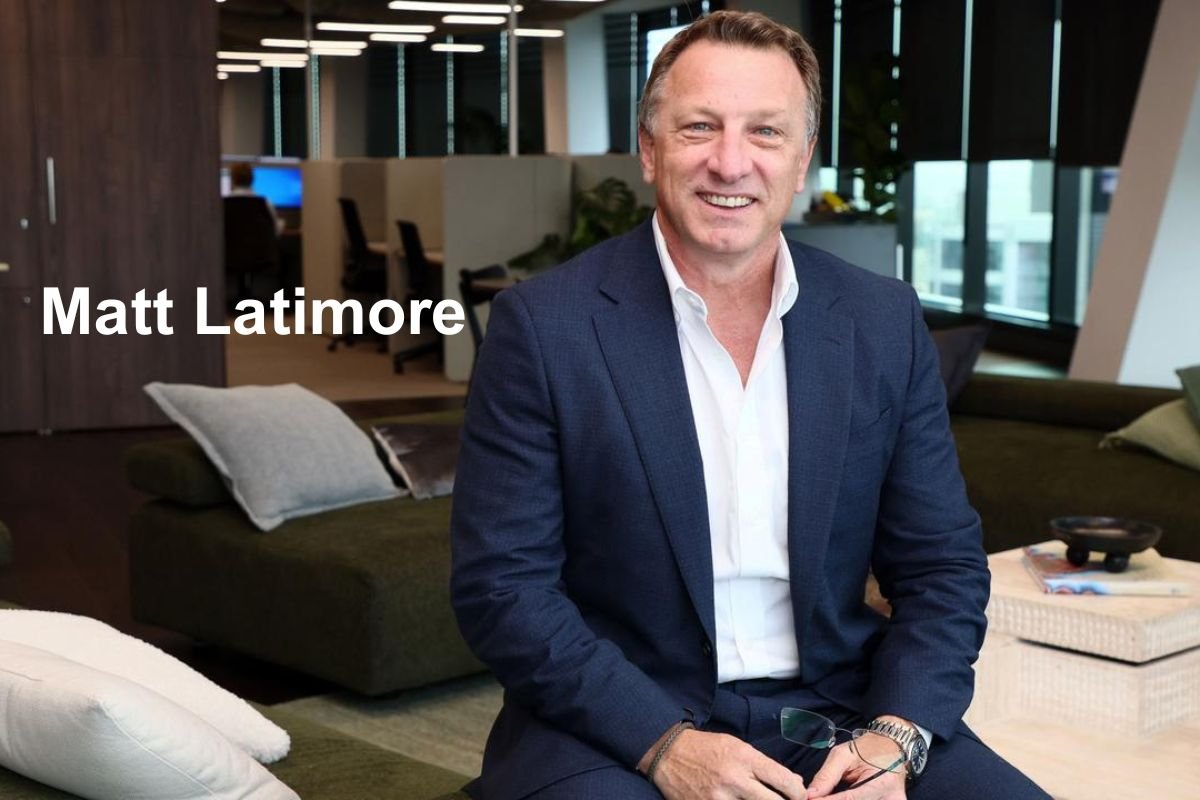
Matt Latimore has become one of the most influential figures in Australia’s resources and industrial export sector, yet remains one of the most private. As the founder of M Resources Pty Ltd, he has built one of the world’s largest metallurgical coal trading businesses while keeping much of his personal life away from public exposure. His story appears mainly through corporate documentation, property reports, financial journalism and executive training history rather than traditional lifestyle media. Although many Australian business leaders have cultivated public images, Latimore has stayed behind the scenes, preferring work, planning and market knowledge over publicity. This approach has made him a subject of professional interest, especially in mining, shipping and steel supply circles, where his decisions shape how raw materials reach construction and infrastructure projects around the world.
Early Life and Regional Background
Matt Latimore grew up in Wingham, a regional New South Wales town that appears in media reporting as the place that shaped his early years. Although little is publicly available about his parents, family background or exact school history, the constant theme about his youth centres on sport. Latimore was an active middle-distance runner throughout his younger years and was particularly dedicated to the demanding 800-metre race. While many athletes focus on either sprinting or endurance, the 800 metres requires both, combining speed, power and stamina. That combination left a lasting impression on Latimore and he later described his business life using ideas drawn from this form of athletic competition. He said that success in commercial development sometimes requires long periods of steady progression followed by short, decisive bursts of energy when timing matters most.
Education and Executive Formation
Education has been a major foundation of Matt Latimore’s business development. After growing up in regional New South Wales, he completed a Bachelor of International Business at Griffith University, giving him formal training in trade, finance, management systems and economic relationships between markets. He went on to study a Master of Business Administration at the Australian Graduate School of Management, where postgraduate work prepares students for executive leadership, corporate planning, organisational structure and administrative decision-making. In addition to formal degrees, Latimore completed several high-level management and governance programs. He became a graduate of the Australian Institute of Company Directors, completed the Columbia University Senior Executive Program in New York, and studied leadership and management at the University of Western Australia. He also undertook a Diploma of Export Management from the Australian Institute of Export, a credential that reflects the type of expert training needed for long-distance shipping and international raw materials supply.
These educational experiences reveal an intention to pursue international business at an advanced level. Rather than operating without theory, Latimore chose structured learning environments connected to board governance, executive risk management, corporate leadership and global trade logistics. He entered the resources sector not as an untrained industry personality but as someone who had developed a strong academic combination around strategic planning and export systems.
Early Career in Coal Markets and International Supply
After his studies, Latimore entered the coal sector through Mitsui & Co’s Coal Department. Mitsui & Co is one of the largest general trading companies in Japan and plays a major role in supplying raw materials to Asian manufacturing systems. Working here gave Latimore direct involvement in transnational supply chains, trade contracts, investment decisions and customer relationships with steelmaking businesses. His role exposed him to the practical side of international trading, especially within industries tied to heavy infrastructure, ship loading, rail scheduling, financial hedging and maritime transport. Those early years established contacts with Asian markets and gave him the entry point into a global industry where relationships matter as much as physical supply.
Following his time at Mitsui, Latimore joined Wesfarmers Curragh Coal, a major Australian coal operation situated in Queensland. He became General Manager of Sales and Marketing at Wesfarmers Curragh, a role that involved overseeing exports to steel producers and power utilities around the world. His responsibilities included rail and port facility management, price negotiations, long-term contract planning and assessing the financial performance of supply lines. He was also a director of Curragh Coal Sales. This period consolidated his understanding of commercial operations and made him a central participant in the flow of coal from Australian mines to international customers.
Founding and Growing M Resources
In 2011, Latimore established M Resources Pty Ltd, the business that would come to define his professional life. The company was created to focus on marketing, investment and trading of metallurgical coal and other steelmaking inputs. Metallurgical coal is used to make steel rather than electricity, a distinction that positions M Resources in a different area of commercial demand. Demand for metallurgical coal is driven by steel production, which remains essential in infrastructure, construction, automotive manufacturing, industrial machinery and national development for emerging and advanced economies.
Over time, M Resources grew from a trading entity into a group with international influence. The company became one of the top three seaborne metallurgical coal movers in the world, exporting more than twenty million tonnes of coal each year. It established long-term supply arrangements, port relationships, shipping procedures and customer agreements. The company now participates in investment decisions, project financing, supply planning and international procurement strategies. Latimore serves as President of M Resources, overseeing the direction, expansion and corporate identity of the group.
Some of Latimore’s work extends beyond M Resources through additional corporate roles. He has served as a Non-Executive Director of Stanmore Resources and held positions connected with Illawarra Coal Holdings. These roles reflect a group of responsibilities that go beyond day-to-day trading. Board positions demand governance, financial oversight, risk evaluation and organisational planning, all of which align with Latimore’s training and background.
Net Worth, Financial Position and Business Scale
Matt Latimore holds a place on Australia’s wealth lists due to the size of his trading operations, property assets and international export activity. Estimates published in recent years place his net worth between AU$640 million and AU$750 million, reflecting the growth of M Resources and the commercial importance of metallurgical coal in global steel production. His financial position is driven by long-term supply arrangements, investment partnerships, contract structures, rail and port planning, and the overall movement of more than twenty million tonnes of coal annually through M Resources’ trading network. Latimore does not publicly discuss his wealth, nor does he build a media profile based on financial status. Instead, his position in Australian business circles is recognised through acquisition announcements, property settlements and market participation in steelmaking raw materials. The overall business scale he controls places him among the most active coal exporters operating from Australia today, with reach into Asia, North America and Europe and a commercial system built on strategic arrangements rather than short-term outcomes.
Investment Strategy and Approach to Global Markets
Latimore’s investment strategy appears consistent with his executive training and operational background. He has made decisions based on global industrial demand rather than high-risk speculation. The markets that drive his work involve steel production, infrastructure expansion, transport capacity, heavy machinery manufacturing and major energy and construction projects around the world. While coal remains subject to political debate, metallurgical coal has a defined role in steel production under current technology and continues to be purchased by nations that depend on heavy industry and building projects.
International supply stability is a central theme in Latimore’s commercial work. Moving coal from mines to steel mills requires a combination of scheduling, port allocation, rail capacity, shipping access, weather forecasting, customs compliance and contract fulfilment. Latimore’s leadership has maintained a focus on building reliable pathways rather than inconsistent or single-year opportunities. That reliability is one of the reasons M Resources became a preferred option for certain steel producers and industrial buyers.
Leadership Style and Professional Philosophy
Descriptions of Latimore from business media often highlight a leadership style that is deliberate, disciplined and strategic rather than loud or attention-seeking. His athletic background appears to play a role in how he conducts commercial operations. Middle-distance running requires pacing, judgement, awareness of the competition and strategic energy deployment. That mentality has translated well to executive thinking in global markets, where timing can influence pricing, logistics, investment performance and contract position.
Latimore rarely gives public interviews and does not maintain a public social profile. Instead, he develops his business identity through board roles, investment choices, company performance, property decisions and executive participation. This way of working has given him stability in markets where volatility and public pressure often push executives into reactionary decision-making. Latimore prefers long-term situations supported by supply demand, industrial development, global infrastructure trends and shipping needs.
Residential Property and Lifestyle Indicators
Property documents and financial news reports have drawn attention to Latimore’s residential holdings, particularly in Queensland. He purchased a high-end penthouse in New Farm, Brisbane for seventeen and a half million dollars, a property with views of the river and the CBD. His property portfolio includes homes in Sunshine Beach and Noosa Heads, which are among the most desirable coastal addresses in Queensland. These properties have been highlighted in articles discussing luxury living, architectural design and regional real estate market trends. They show that Latimore has invested heavily in residential assets across prime locations and has continued to expand his holdings accordingly.
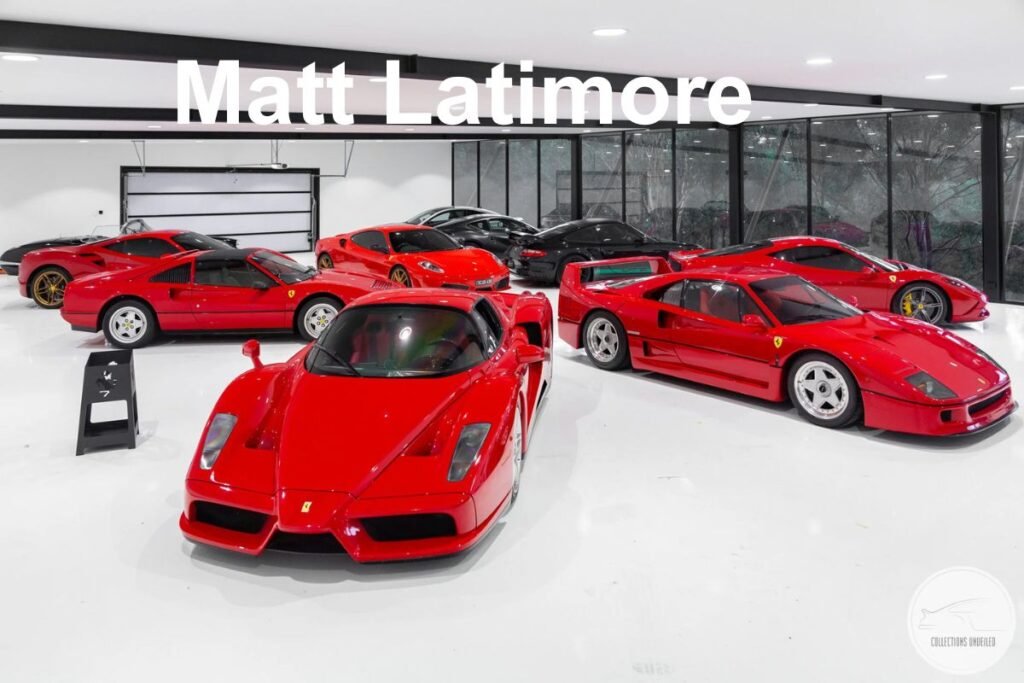
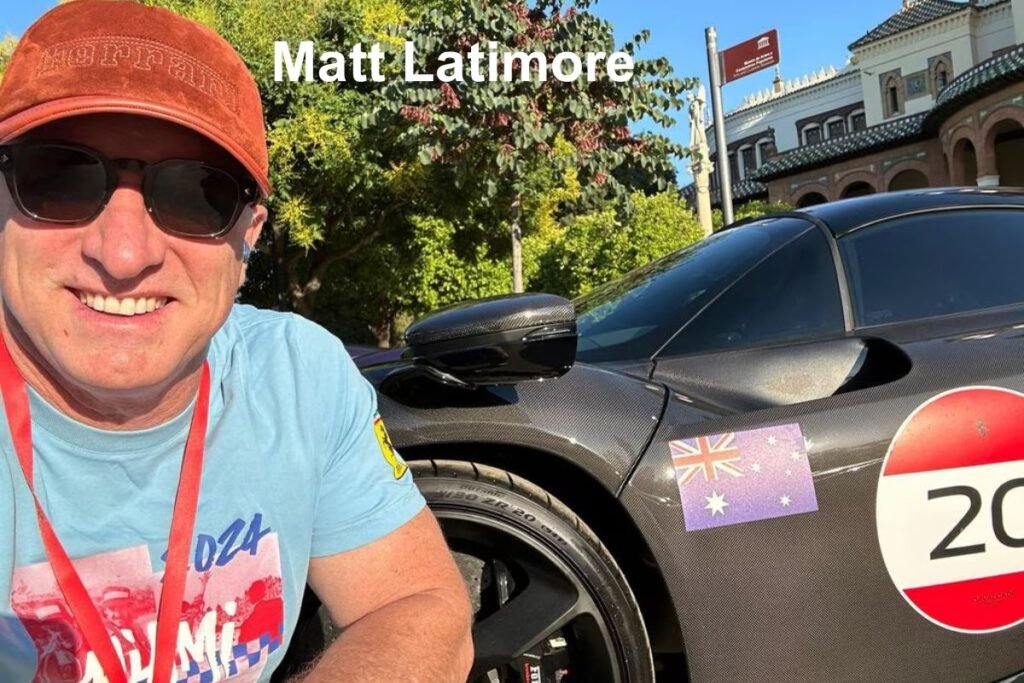
One of the most distinctive personal interests publicly associated with Latimore is his enthusiasm for Ferrari cars. News reports have covered his passion for high-performance sports vehicles, noting that he has acquired multiple Ferrari models. This passion aligns with his athletic background, suggesting a preference for speed, precision engineering and competitive design. While some entrepreneurs adopt art collecting or yacht ownership as status markers, Latimore’s presence in the Ferrari community is an identifiable aspect of his lifestyle.
Private Life and Public Distance
Even with his wealth and influence, Latimore remains a notably private individual. He is married, and property reporting has referred to his wife as Jen, though no further personal information has been published about her. There is no public interview, feature article or formal statement discussing his marriage, children or extended family. He has not released personal reflections on his early life, relationships or personal challenges. In an era where business owners often have public relations teams crafting images on social media, podcasts or online video, Latimore does the opposite. He keeps his personal world separate from his business decisions and gives the public little more than a general picture of domestic stability and executive focus.
Place in Australia’s Coal and Steel Supply Landscape
Australia remains one of the major global sources of metallurgical coal, supplying markets that rely on steel production for national growth. Steel remains required for transport networks, shipping infrastructure, commercial buildings, manufacturing centres, defence systems and industrial machinery. Because of this demand, metallurgical coal continues to hold a central place in economic planning for several nations. Latimore’s business model occupies this space by organising the export, investment and commercial requirements necessary to move coal from Australian producers to major steel manufacturers. His approach connects rail networks, port loading facilities, vessel schedules, insurance arrangements, contract systems and payment processes. To operate in this sector, a leader needs to combine knowledge of market shifts with operational management and long-term thinking.
Conclusion
Matt Latimore has built one of the most significant coal trading operations in Australia without seeking a public reputation beyond the business sector. His life reveals an emphasis on discipline, education, strategic thinking and long-term decision-making. He began with international business study, entered the coal industry through established companies, took senior roles overseeing large-scale export operations and eventually founded his own international trading group. With international shipping experience, position in the steelmaking supply network, board roles and expanding property assets, Latimore stands as an example of a modern Australian business leader who balances large corporate ambition with personal privacy. His success demonstrates how focused planning, executive training and commercial awareness can create global outcomes while leaving personal identity largely outside public view.
FAQs
Who is Matt Latimore?
Matt Latimore is an Australian coal industry executive and the founder of M Resources, a major exporter of metallurgical coal used in global steel production.
What is Matt Latimore’s net worth?
Estimates place Matt Latimore’s net worth between AU$640 million and AU$750 million, based on property holdings, export contracts and long-term investments.
What does M Resources actually do?
M Resources focuses on marketing, trading and exporting metallurgical coal and other raw materials required by steel mills in Asia, North America and Europe.
Where did Matt Latimore study?
He completed a Bachelor of International Business at Griffith University, an MBA at the Australian Graduate School of Management and additional executive programs in leadership, management and governance.
Is Matt Latimore involved with any public companies?
Yes. He has served as a Non-Executive Director at Stanmore Resources and taken part in roles connected to Illawarra Coal Holdings.
How did Matt Latimore start in the coal sector?
He began his career with Mitsui & Co’s Coal Department before moving to Wesfarmers Curragh Coal, where he became General Manager of Sales and Marketing.
Does Matt Latimore talk about his private life publicly?
No. Latimore is known for keeping his personal life away from media attention. Only basic details such as his marriage and property purchases appear in public sources.
Why is metallurgical coal important in Matt Latimore’s business?
Metallurgical coal is used to make steel, which is still required for construction, manufacturing, transport infrastructure and industrial projects worldwide, keeping demand steady for international suppliers like M Resources.