
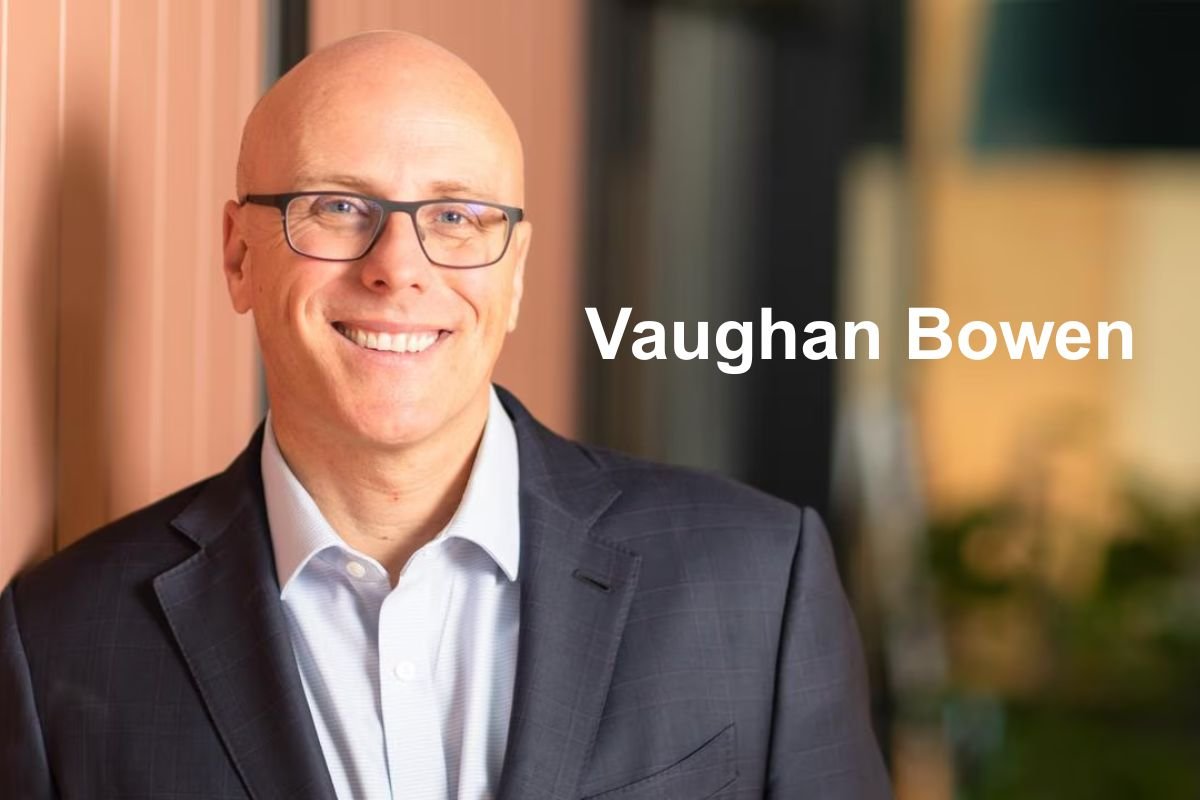
Vaughan Bowen has been a familiar name in Australian business for more than two decades. His influence stems from the creation of M2 Group, one of the country’s fastest-growing telecommunications companies, and later involvement in the merger with Vocus Group. His corporate profile became even more prominent after insider-trading allegations led to a lengthy court process and ultimately a not guilty verdict delivered in late 2024. Bowen’s story involves rapid expansion, complex regulatory issues, and a long period of media attention focused on share trading, corporate governance and takeover speculation. Understanding his journey requires a look at his early life, his achievements in telecommunications, the circumstances that surrounded ASIC charges and the aftermath of the court ruling.
Early Life and Business Foundations
Born on 14 December 1972, Bowen attended the University of New South Wales and earned a Bachelor of Commerce. He worked in international management roles before founding his own telecommunications business. Those early roles, which involved overseeing operations in South East Asia, provided experience in business development, corporate strategy and cross-border operations. By the time he launched his own company, he had both formal academic training and practical corporate experience. These early steps formed the foundation of what would become a major Australian telecommunications career.
Building M2 Group Into a National Player
In 1999, Bowen founded M2 Group. The company began small but expanded through acquisitions, purchasing established telecommunications and service providers rather than attempting slow organic growth. Under M2, consumer brands such as Dodo, iPrimus and Commander became familiar names among Australian households and small businesses. Growth at M2 was significant, and by 2015 the company employed thousands of staff across Australia, New Zealand and the Philippines. M2 also diversified into offering power, gas and insurance services, placing the business everywhere from broadband connections to household utilities.
Bowen became known for his acquisition-driven strategy, seeing opportunities in markets where other telecommunications providers were consolidating or restructuring. Rather than building entirely new service divisions from scratch, he built scale through considered purchases and integration. His work attracted industry recognition and business awards during the 2000s and early 2010s. Bowen stepped back from day-to-day management to become an executive director and also launched a charitable initiative called the Telco Together Foundation in 2011, which aimed to bring together the telecommunications industry’s support for community projects and charitable causes at a national level.
Merger With Vocus Group
After years of expansion, M2 merged with Vocus Group on 5 February 2016. The merger created one of Australia’s larger telecommunications companies, combining infrastructure capability with retail customer reach. In the merged business, Bowen became an executive director and later took on the non-executive chairman role in October 2017. During this period, Vocus issued multiple earnings downgrades and experienced significant share-market pressure. The business faced strategic challenges including integration issues, financial performance concerns and internal restructuring. Bowen stepped down as chairman in 2018 following intense public-market scrutiny and pressure linked to falling share value and boardroom change.
The 2019 Share Sale and ASIC Allegations
On 4 June 2019, Bowen sold more than five and a half million shares in Vocus. Around the same time, there was an active takeover proposal from Swedish private equity firm EQT Infrastructure IV Fund to acquire Vocus. The takeover bid attracted investor interest and was valued at billions of dollars. In September 2021, the Australian Securities and Investments Commission charged Bowen with two counts of insider trading. ASIC alleged Bowen possessed confidential information that the takeover bid would be withdrawn and sold the shares to avoid a potential financial loss once the information became public. Insider trading charges carry severe potential penalties under Australian law, including significant prison sentences if proven.
Court Process and Trial
The case proceeded through several legal stages. A contested committal hearing took place in December 2022 in the Melbourne Magistrates’ Court, where the charges were initially discharged. In May 2023, the Commonwealth Director of Public Prosecutions re-indicted Bowen, meaning the matter proceeded to jury trial. The case then moved to the Melbourne County Court for a full hearing, which lasted almost five weeks.
During the trial, prosecutors argued that Bowen had traded on inside information related to the takeover bid. Defence arguments maintained that Bowen did not possess such information and that the share sale did not involve misuse of confidential details. Because insider trading cases often revolve around timing rather than clear written evidence, the matter attracted attention from financial professionals and legal authorities who followed the arguments closely.
Not Guilty Verdict and Resolution
On 13 December 2024, a jury found Bowen not guilty on both counts of insider trading. The verdict meant that the prosecution did not prove beyond reasonable doubt that he used inside information when selling his Vocus shares. The case had lasted more than three years from the time of initial charges and involved one of the highest-value insider trading prosecutions in recent Australian history. The trial outcome closed a notable chapter in corporate law involving public company governance, takeover negotiations and share-trading conduct by senior executives.
Business Roles After the Trial
While the insider-trading charges related to share sales at Vocus, Bowen continued to serve in business roles during earlier stages of the legal process. Between March 2019 and August 2022, he was an executive director at Uniti Group, a telecommunications company operating in broadband and related services. Public corporate information later identified Bowen as serving in other professional capacities, including board-level and advisory work. His name remains associated with his earlier work founding M2 and his involvement in major telecommunications mergers, but his public profile became quieter following the completion of the trial.
Public Curiosity and Corporate Reputation
Public search interest around Bowen has included terms related to net worth, lifestyle, personal residence, family background and business positions. While interest in these topics increased during the legal case, detailed personal information has not been widely disclosed by Bowen or his legal representatives. Public reporting focused predominantly on his corporate roles, share sales, takeover activity and trial developments rather than personal life. In Australia, it is common for high-profile executives involved in public company matters to maintain strict personal privacy especially after legal proceedings.
Broader Lessons and Legal Context
The Bowen case became a talking point in corporate law because it highlighted the complexities of prosecuting insider trading matters. Australian law requires clear proof of access to non-public information, intent to use the information for financial advantage and direct evidence linking knowledge to action. Cases that involve private board meetings, takeover proposals and timing of share disposals can be difficult to prove. The verdict reinforced the importance of strong evidence in financial prosecutions and highlighted the limits of regulatory action when it comes to proving trading motive beyond suspicion or inference.
The case also underscored the pressures facing executives whose shareholdings change around significant commercial events. Business leaders, investors and regulatory specialists studied the trial because it provided insight into how insider-trading allegations can unfold in public markets, especially during high-value takeover periods. The outcome shaped discussion about the standards required to prosecute insider trading and how regulators evaluate trading activity by company directors.
Conclusion
Vaughan Bowen’s career represents a story of expansion, ambition, legal scrutiny and resolution. He is known for transforming a small telecommunications business into a national provider through strategic acquisitions, leading one of the most significant telecom mergers in Australia and later facing allegations that placed his intentions and trading activity under intense examination. The not guilty verdict delivered in December 2024 brought closure to a long court process and ended a chapter of legal uncertainty surrounding his name.
His work in telecommunications, involvement in major corporate mergers and creation of the Telco Together Foundation reflect a varied business journey. Interest in his case has continued because it blends business development with regulatory challenges, highlighting how corporate activity and legal standards interact under public scrutiny. Bowen remains connected to Australia’s telecommunications history and corporate discussion, and his name continues to be referenced in debates about governance, share trading regulation and executive conduct in the context of takeover negotiations.
FAQs
What industry is Vaughan Bowen known for?
Vaughan Bowen is best known for his work in telecommunications. He founded M2 Group, which grew through acquisitions and later merged with Vocus Group, creating a major telco presence in Australia.
Why was Vaughan Bowen charged by ASIC?
ASIC charged Bowen with two counts of insider trading in 2021, alleging he sold millions of Vocus shares using non-public information linked to a takeover offer. A jury later found him not guilty.
Did Vaughan Bowen benefit financially from the share sale?
Court documents confirmed Bowen sold more than 5.5 million Vocus shares. However, no official record has publicly confirmed whether he made or avoided a specific dollar amount from the transaction.
Is Vaughan Bowen still involved in corporate work?
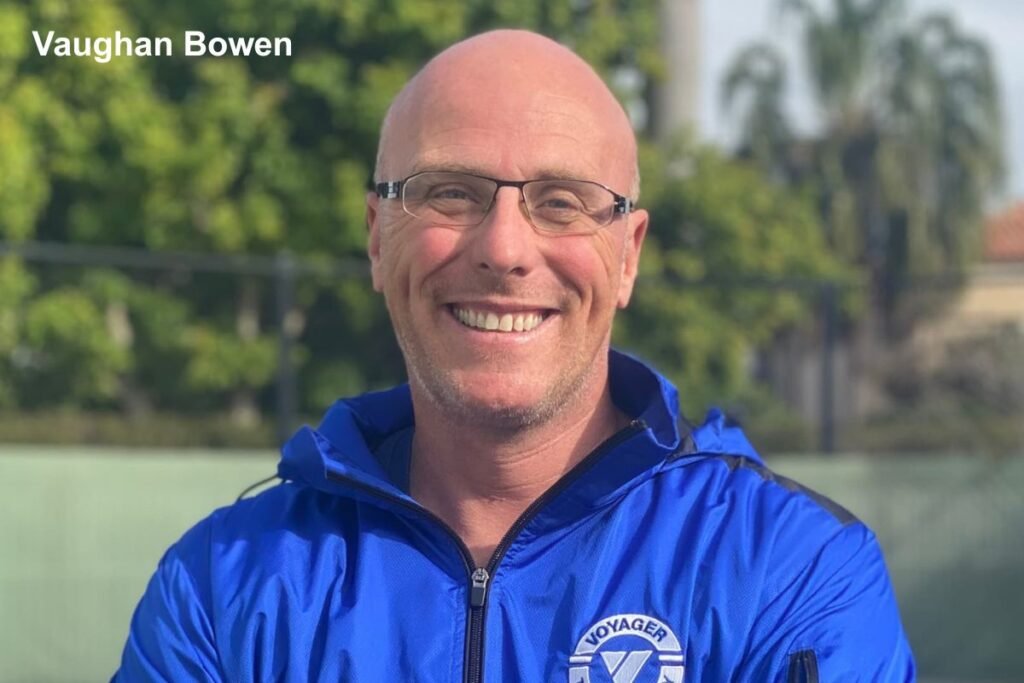
After serving at M2, Vocus and Uniti Group, public information suggests Bowen has held board-level roles in private business sectors, including an organisation connected with tennis operations.
What is known about Vaughan Bowen’s family life?
Very little has been disclosed about Bowen’s personal life. There are no widely available public statements or interviews discussing his family, marriage or household details.
Why do people search for “Vaughan Bowen Noosa”?
Some search terms link Bowen’s name with Noosa, likely due to public curiosity about personal lifestyle or residence after the trial. No confirmed records show he lives or owns property there.
Is Vaughan Bowen related to any medical professionals with the same name?
No. Searches for “Vaughan Bowen surgeon” or similar usually refer to other people, including medical practitioners overseas, who have no connection to the Australian business executive.
Where can information about Vaughan Bowen’s case be found?
Information about Bowen’s corporate history and ASIC charges has been reported in Australian business news, financial publications and official legal announcements related to the trial outcome.