
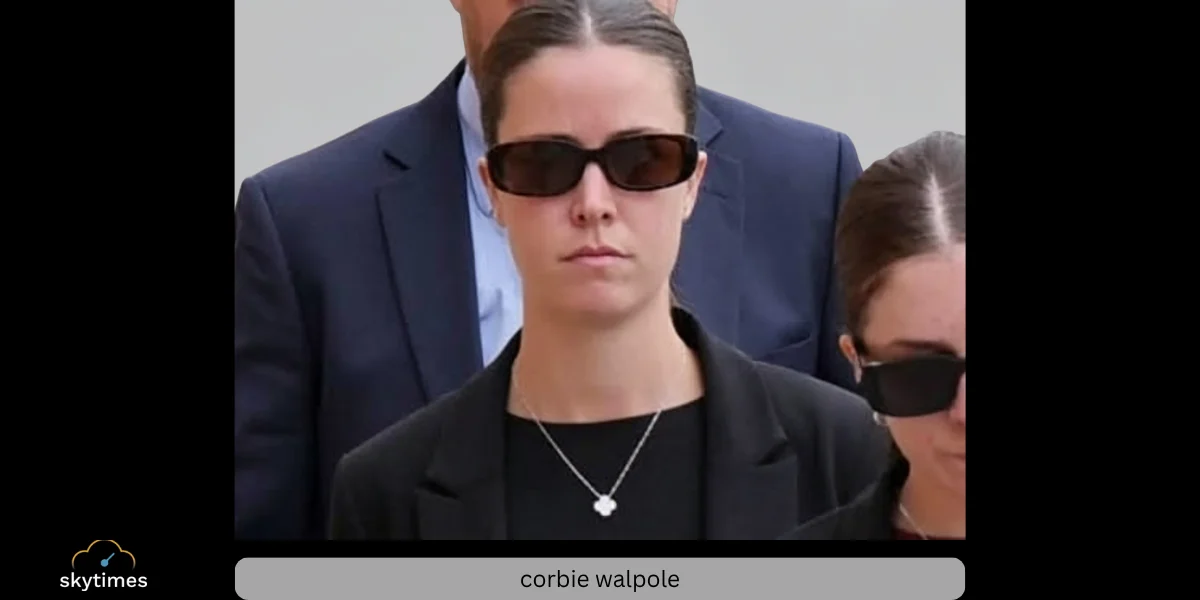
In the digital age, the boundary between a private life and a public story has become increasingly porous. For individuals who find themselves thrust into the media spotlight, the experience is rarely a matter of choice; rather, it is often the result of intersectional circumstances, legal narratives, or community events that capture the collective attention of the press. Corbie Walpole is one such individual whose name has surfaced within Australian media circles, serving as a focal point for broader discussions about privacy, accountability, and the resilience required to navigate a modern news cycle.
As we examine the current landscape in 2026, it is vital to approach such narratives with a sense of professional discernment. Reporting on the lives of others is a responsibility that requires empathy, accuracy, and a clear understanding of the difference between public interest and mere public curiosity.
Corbie Walpole: Background: The Context of Visibility
Based in Australia, Corbie Walpole’s path to public recognition has been marked by specific events that drew media attention. In a country where the media landscape is highly active and digital platforms allow for the rapid dissemination of information, stories involving personal or legal matters are often amplified far beyond their original context.
For an observer with over three decades of experience, it is clear that the “public figure” designation is often applied unevenly. For those like Walpole, who may not have sought the spotlight, the sudden influx of media scrutiny can be overwhelming. Understanding her background requires us to look past the sensationalized headlines that often define initial coverage and instead focus on the human reality of a person navigating a complex social environment.
Corbie Walpole: Key Events and Media Framing
The media’s involvement in personal or legal stories is often driven by the pursuit of a “compelling angle.” In the case of Corbie Walpole, the coverage centered on specific incidents that, when reported, ignited public debate.
In my professional experience, the way such events are framed often dictates how the public perceives the individual. Common patterns include:
- The Decontextualized Snippet: Media outlets often highlight a single, dramatic moment, ignoring the complex history or the mitigating factors that led to that moment.
- The Narrative Echo Chamber: Once a story is published, it is often repurposed across social media, where the original facts are frequently lost or distorted by anonymous commentators.
- The Pressure of Public Disclosure: Individuals often find that they have little control over how their private actions are interpreted by a public audience that is often missing 90% of the relevant information.
A common mistake in how we consume such news is the tendency to draw conclusions based on the first wave of reporting. As readers, we must cultivate a habit of waiting for the full story to unfold rather than reacting to the initial surge of news.
Corbie Walpole: Public Response: The Collective Perception
The response to Walpole’s involvement in public stories has been emblematic of the current societal mood—often divided, occasionally empathetic, but frequently judgmental. When a name enters the public sphere, it can become a proxy for larger societal issues, such as personal responsibility, legal ethics, or community standards.
The Dynamics of Public Scrutiny
- The Lack of Nuance: Online discourse rarely rewards nuance. The public response tends to lean toward polarized views, making it difficult for the individual at the center to find any sense of equilibrium.
- The Role of Empathy: It is worth asking what the public owes the individual in these instances. While public figures (in the traditional sense) accept scrutiny as part of their profession, private citizens caught in a news cycle are often denied the space to learn and evolve.
- The Permanence of the Digital Footprint: One of the most significant challenges for individuals in Walpole’s position is the inability to “move on.” The internet serves as a permanent archive, ensuring that past incidents remain accessible years after they have ceased to be relevant to the person’s daily life.
Current Life: Managing the Future (2026)
As of 2026, Corbie Walpole continues to manage her personal and professional matters, largely out of the intense media spotlight that characterized certain chapters of her past. For those who have experienced periods of high visibility for the wrong reasons, the goal is typically to reclaim one’s agency—to define one’s life through actions rather than past headlines.
This transition is rarely easy. It involves setting strict personal boundaries and prioritizing real-world connections over digital noise. In 2026, the ability to successfully transition away from public scrutiny is arguably one of the most important forms of resilience an individual can possess.
The Path Forward
- Reclaiming Agency: Focusing on professional growth and personal well-being is the most effective way to slowly dilute the power of a previous media narrative.
- The Value of Discretion: For anyone who has been a subject of news, discretion becomes a survival mechanism. Protecting one’s personal life from public view is essential for healing and moving forward.
- Future Outlook: The future is not defined by the past. The ability to write a new, private chapter is a right that every individual should be granted, regardless of their past media coverage.
Conclusion
The story of Corbie Walpole is a reminder that behind every headline, a person is striving for the same normalcy and stability as anyone else. As observers, the greatest asset we can offer is a willingness to let stories settle and to recognize the inherent dignity of the individual.
In a media climate that thrives on the constant renewal of interest, choosing to respect the boundaries of those who have been caught in the crossfire is a sign of a maturing public discourse. I hope that as we look ahead, we continue to prioritize empathy, context, and a respect for the private lives of others, recognizing that true news is measured not by the amount of attention it generates, but by its accuracy, relevance, and humanity.