
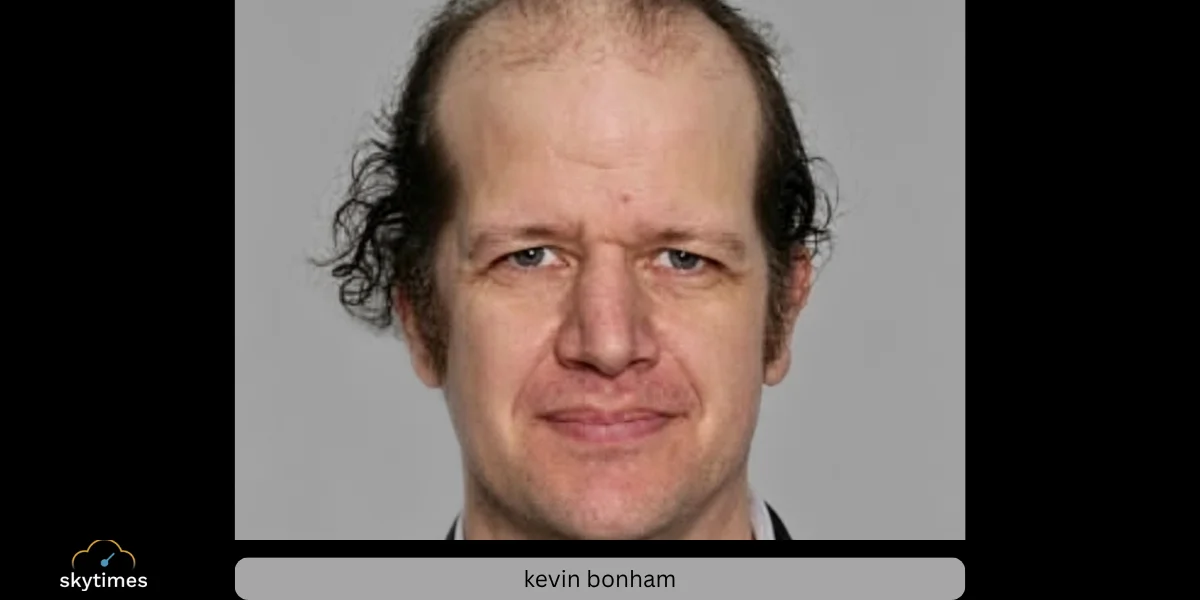
In the high-stakes world of Australian politics, where every swing and preference distribution carries significant weight, the ability to translate complex data into clear, actionable insight is a rare skill. Among the experts who have mastered this craft, Dr. Kevin Bonham stands as a definitive figure. With over three decades of experience as an electoral analyst and psephologist, Bonham has earned a reputation as one of the most trusted, impartial, and rigorous commentators on the nation’s electoral processes.
Kevin Bonham: A Foundation of Academic and Practical Rigor
Based in Tasmania, Kevin Bonham occupies a unique position in the Australian political landscape. While his professional background includes scientific research outside the realm of politics—a field in which he holds a doctorate—his passion for electoral systems has been a lifelong pursuit.
His expertise is built on a rare combination of theoretical study and deep, hands-on experience. A major in Political Science during his university years provided the academic framework, but his 35 years of active participation as a scrutineer—observing the fine mechanics of vote counting—has provided the bedrock of his authority. This dual perspective allows him to look beyond the surface-level polling and understand the granular, often counter-intuitive ways in which votes are cast and counted in both state and federal elections.
Kevin Bonham: The Work of a Psephologist
Psephology—the statistical study of elections—is often misunderstood as mere “poll watching.” For Bonham, it is a comprehensive discipline that involves:
- Preference Distribution Analysis: He is a specialist in the complex math behind Australia’s preferential voting systems, including the Hare-Clark system in Tasmania and the Senate’s proportional representation.
- Polling Integrity: Bonham is well-known for his skeptical, evidence-based approach to opinion polls. He frequently deconstructs the methodologies used by different pollsters, helping audiences distinguish between genuine electoral trends and statistical “noise” or “bouncy” data.
- Systemic Reform: He has been a prominent voice in debates surrounding electoral design. His work was instrumental during the 2016 Senate reform process, where he provided detailed commentary and analysis to help address systemic issues that had plagued previous counts.
Kevin Bonham: A Trusted Media and Public Voice
Bonham’s reputation for impartiality has made him a go-to analyst for major Australian media outlets. His blog—a donation-funded hub for his analysis—serves as an essential resource for journalists, political staffers, and voters alike. Unlike partisan commentators, Bonham’s primary allegiance is to the data. He is frequently sought out by news organizations to provide context on everything from the nuances of a hung parliament to the potential impacts of proposed changes to electoral laws.
His approach is consistently characterized by:
- Transparency: He openly discusses the limitations of data and avoids the “horse-race” sensationalism that often plagues election reporting.
- Attention to Detail: Whether it is a local council race or a federal general election, he treats every contest with the same level of analytical care.
- Evidence-Based Advocacy: While he remains neutral, he does not shy away from critiquing policies or electoral rules that he believes are inefficient, discriminatory, or illogical.
Kevin Bonham: Expert Tips for Understanding Election Data
For those looking to follow elections with the same level of insight as an analyst, Bonham’s work provides several key takeaways:
- Don’t Fixate on Single Polls: A single poll is rarely an accurate snapshot. Look at the aggregate of multiple surveys and consider the methodology behind them.
- Understand the System: Australia’s diverse voting systems mean that the same vote can produce very different outcomes depending on the rules (e.g., lower house single-member seats vs. upper house multi-member systems).
- Context is King: Always consider the historical context of a seat, including incumbency, local profile, and recent negative publicity, which often weigh more heavily than statewide primary vote swings.
Future Outlook (2026)
As of 2026, Kevin Bonham continues to be a central figure in Australian political discourse. With the constant evolution of digital campaigning and the ongoing debates surrounding truth in political advertising, his role as an independent arbiter of data is more relevant than ever. He remains committed to ensuring that the public has access to honest, rigorous analysis, cutting through the rhetoric to explain exactly what the numbers are saying about the state of Australian democracy.
Conclusion
Kevin Bonham has spent over 30 years refining his ability to read the electoral tea leaves, and in doing so, he has become an indispensable part of the Australian political ecosystem. His work reminds us that democracy is not just about the act of voting, but about the integrity of the systems that count those votes and the transparency with which those results are analyzed. For anyone serious about understanding the heartbeat of Australian politics, Bonham’s meticulous and principled analysis is, and will remain, an essential guide.