
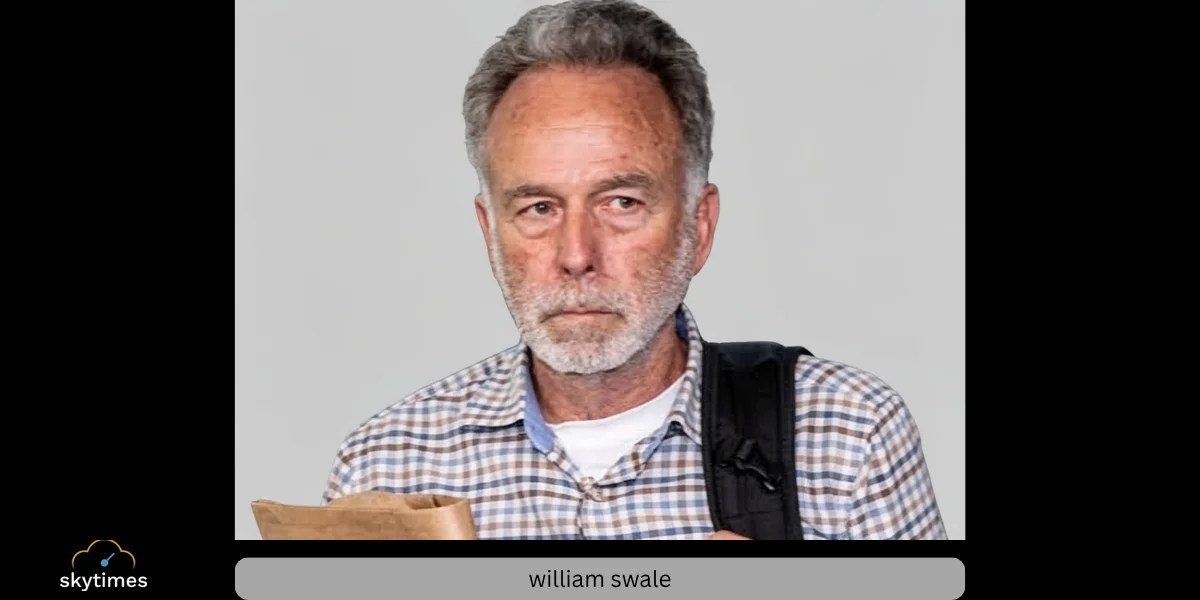
The devastating Daylesford pub crash on 5 November 2023 remains one of the most tragic road incidents in recent Victorian history. William “Bill” Swale, a resident of Mount Macedon, was the driver whose vehicle crashed into the beer garden of the Royal Daylesford Hotel, resulting in the deaths of five people and injuries to six others. This heartbreaking event not only shook the local community but also brought significant attention to the intersection of medical conditions and road safety. This article offers a thorough examination of William Swale’s role in the crash, the medical circumstances involved, legal outcomes, and the broader lessons for public health and safety.
William Swale: The Daylesford Pub Crash: What Happened?
On the early evening of 5 November 2023, tragedy unfolded at the Royal Daylesford Hotel when William Swale’s BMW SUV lost control and ploughed into the crowded beer garden.
Fatalities and Injuries
The crash claimed the lives of five individuals:
- Pratibha Sharma (44)
- Anvi Sharma (9), Pratibha’s daughter
- Jatin Kumar (30), Pratibha’s partner
- Vivek Bhatia (38)
- Vihaan Bhatia (11), Vivek’s son
In addition, six others sustained various injuries, some severe, deeply affecting families and the community.
Immediate Aftermath
Emergency responders rushed to the scene, providing urgent medical care and transporting victims to nearby hospitals. The shockwaves of this event rippled far beyond Daylesford, stirring grief and questions about how such a tragedy could occur.
William Swale’s Medical Condition and Its Role
A critical element in understanding the crash lies in William Swale’s medical history.
Type 1 Diabetes and Hypoglycaemia
- Swale is a type 1 diabetic, a condition requiring careful blood sugar management.
- On the day of the crash, he suffered a severe hypoglycaemic attack—a dangerous drop in blood sugar levels.
- This attack caused him to lose consciousness while driving, leading directly to the loss of vehicle control.
Medical experts confirmed that this hypoglycaemic event was involuntary and sudden, impacting Swale’s ability to respond or prevent the crash.
William Swale: Legal Proceedings and Outcome
Following the crash, legal scrutiny naturally followed.
Charges and Court Decisions
- Initial investigations considered whether criminal charges were appropriate.
- In September 2024, criminal charges against William Swale were dismissed.
- The court ruled that his actions were involuntary, given the medical emergency, absolving him of criminal liability.
This ruling sparked discussions on the complexities of accountability when medical conditions are involved in road accidents.
The 2026 Coronial Inquest
To further understand the factors surrounding the crash, a coronial inquest was initiated.
Purpose and Scope
- The inquest examines all circumstances of the incident.
- Focuses on Swale’s diabetes management and whether better safeguards could have prevented the tragedy.
- Considers broader implications for road safety policies and medical advice related to driving.
- Swale has been compelled to give evidence, contributing firsthand insights into the event.
This inquiry aims to provide clarity, accountability, and recommendations to prevent similar occurrences.
The Human Side: Apology and Community Impact
Amid legal processes and investigations, the personal and emotional dimensions remain paramount.
William Swale’s Public Apology
- Swale has expressed deep remorse, describing the crash as an “unfortunate series of events.”
- He has offered apologies to the families of the victims, acknowledging their profound grief.
Community Response
- The tragedy united Daylesford and surrounding regions in mourning.
- Memorials and support networks emerged to assist affected families and survivors.
- The incident heightened awareness about the vulnerability of individuals with medical conditions behind the wheel.
Lessons Learned and Expert Insights
The Daylesford crash reveals critical lessons for individuals, healthcare providers, and policymakers.
Practical Takeaways
- For Diabetics: Regular monitoring of blood sugar and having contingency plans before driving are essential.
- For Healthcare Providers: Emphasize patient education regarding hypoglycaemia risks and safe driving.
- For Families: Encourage open discussions and support for loved ones managing chronic conditions.
- For Regulators: Consider tailored driving assessments and guidelines for drivers with medical risks.
Common Mistakes to Avoid
- Underestimating the sudden onset of hypoglycaemia symptoms.
- Neglecting to carry or use glucose tablets or other emergency remedies while driving.
- Overlooking the importance of medical reviews for fitness to drive.
Addressing these can reduce the risk of medically related accidents.
Future Outlook: Enhancing Safety and Prevention
The coronial inquest and public discourse are catalysts for change.
Potential Developments
- Implementation of more comprehensive medical screening for drivers with chronic illnesses.
- Increased public education campaigns on managing medical emergencies when driving.
- Technology integration, such as in-car monitoring systems alerting drivers to health risks.
These measures aim to protect both drivers with medical conditions and the broader public.
Conclusion
The Daylesford pub crash, involving William Swale as the driver, is a tragic reminder of how medical emergencies can have catastrophic consequences on the road. While the legal system recognized the involuntary nature of Swale’s hypoglycaemic attack, the pain and loss endured by the victims’ families remain profound. As investigations continue and lessons are learned, society must prioritize safety, awareness, and support for drivers managing chronic health issues. Only through combined efforts—medical, legal, technological, and social—can similar tragedies be prevented in the future, honoring the memory of those lost and protecting communities nationwide.