
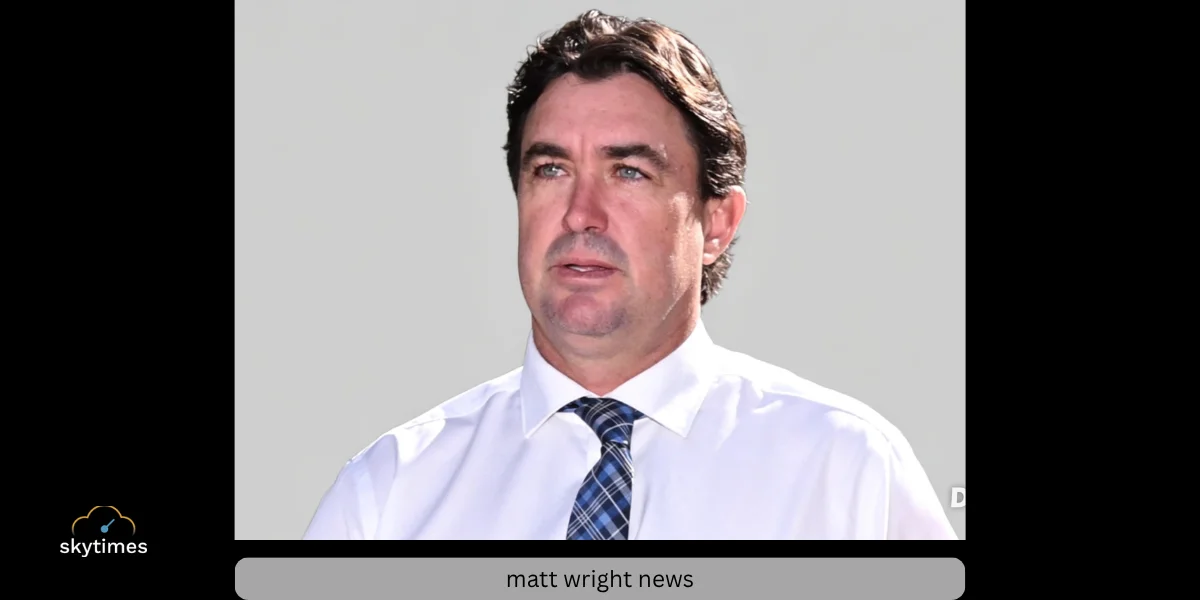
For years, Matthew “Matt” Wright was best known as the charismatic crocodile wrangler flying low over floodplains, wrangling reptiles, and showcasing the harsh beauty of northern Australia to global audiences. Through shows like Outback Wrangler and Wild Croc Territory, he built a brand around daring wildlife encounters, remote chopper operations, and quintessential Territory toughness.
Today, his name is just as closely associated with a fatal helicopter crash, a high‑profile criminal trial, and ongoing legal battles that have reshaped his career and reputation.
Who Is Matt Wright?
Born on August 29, 1979, in the Northern Territory, Matt Wright grew up in the kind of country he would later make famous on screen: crocodile‑infested billabongs, vast floodplains, and remote cattle stations.
Over time, he built a multi‑faceted identity:
- TV host and wildlife personality
- Crocodile wrangler and safari operator
- Former helicopter pilot and tourism businessman
With Outback Wrangler and later Wild Croc Territory (Netflix), Wright turned that life into international entertainment, blending conservation messages with high‑risk, high‑adrenaline operations.
That brand – tough, capable, fearless – forms the backdrop to the tragedy and legal scrutiny that followed.
The 2022 Helicopter Crash in Arnhem Land.
On February 28, 2022, routine work for Wright’s operations turned catastrophic.
The Mission
The job was a familiar one in the Territory: a crocodile‑egg collection flight in Arnhem Land, NT. These operations typically involve:
- Low‑level flying over remote wetlands.
- Landing near nests to collect eggs under strict quotas.
- Coordinating closely with landholders and wildlife authorities.
On board the helicopter that day were:
- Chris “Willow” Wilson – Wright’s long‑time friend and co‑star.
- Pilot Sebastian Robinson.
Wright himself was not on the aircraft.
The Crash and Its Consequences
During the flight, the helicopter lost power and crashed.
The outcome was devastating:
- Chris “Willow” Wilson was killed.
- Pilot Sebastian Robinson survived but was left paraplegic.
The incident triggered investigations by aviation authorities, police, workplace regulators, and intense media coverage, given Wright’s profile.
ATSB Findings: Fuel Exhaustion
The Australian Transport Safety Bureau (ATSB) later determined that the most likely cause of the accident was fuel exhaustion.
In simple terms:
- The aircraft appears to have run out of usable fuel, leading to loss of power and the crash.
Crucially:
- Matt Wright was not charged with causing the crash itself.
Instead, the criminal case that followed focused on what authorities alleged happened after the crash.
The Criminal Case: Attempts to Pervert the Course of Justice
Wright was later charged with attempting to pervert the course of justice – one of the most serious offenses relating to interference with investigations.
The Charges
He faced three counts, including allegations that he:
- Lied about fuel arrangements around the flight.
- Pressured pilot Sebastian Robinson to falsify logbooks or records.
- Destroyed or directed the destruction of records tied to helicopter operations.
In essence, prosecutors argued that Wright was less a culprit in the crash itself and more an offender in what they claimed was a cover‑up attempt.
Wright consistently maintained his innocence, arguing he had not sought to mislead investigators or manipulate evidence.
Verdict: August 29, 2025
After a closely watched trial, the jury returned a mixed outcome on August 29, 2025:
- Guilty on 2 counts of attempting to pervert the course of justice.
- Hung jury on the 3rd count, meaning jurors could not reach a unanimous or majority decision on that charge.
The result left no doubt about the court’s view on key aspects of his conduct, while leaving one allegation unresolved.
Sentencing: December 13, 20255
On December 13, 2025, Wright was sentenced to:
- 10 months’ imprisonment.
- Non‑parole period of 5 months.
The sentence signaled that the judge saw the offenses as serious but at the lower end of the very long range open for perverting the course of justice, which can attract far heavier penalties in more egregious cases.
Release: May 11, 2026
After serving his minimum term, Wright was released on May 11, 2026.
By July 2026:
- The formal appeal window had expired.
- No appeal had been filed, leaving the convictions and sentence standing.
For Wright, that meant the criminal chapter – at least for this case – had effectively closed, even as other legal issues continued.
Regulatory Fallou :L Licenses and Aviation Business
The criminal convictions did not exist in isolation. They triggered a parallel wave of regulatory consequences in the aviation and tourism space.
CASA Sanctions
The Civil Aviation Safety Authority (CASA) moved to protect what it saw as the integrity and safety of aviation operations by:
- Cancelling Wright’s personal pilot licence.
- Canceling his company’s Air Operator Certificate (AOC).
Practically, this means:
- Wright can no longer legally fly aircraft.
- His aviation business cannot run commercial flights under its former approvals.
For someone whose public persona and business model depended heavily on helicopters and remote air operations, this was a profound shift.
Civil Litigation: The Wilson Family’s Claim
Criminal courts deal with guilt and punishment; civil courts deal with compensation and accountabilitydifferentlyy.
Danielle Wilson’s Lawsuit
Danielle Wilson, the widow of Chris “Willow” Wilson, has filed a civil suit for damages.
Key points:
- The claim seeks financial compensation for the loss of her husband and the impact on their family.
- The case is scheduled for trial in late 2026.
Civil proceedings will examine issues such as:
- Duty of care owed by Wright and his companies.
- Whether systems, planning, and risk management were adequate.
- The extent to which operational decisions contributed to the circumstances of the crash.
Unlike criminal trials, the standard of proof here is “on the balance of probabilities”, not “beyond reasonable doubt”. That lower threshold can make it easier for plaintiffs to succeed, even when no criminal guilt was found over the crash itself.
Other Legal Headwinds: WorkSafe Charges
Wright also faces separate WorkSafe charges over a 2023 airboat crash that injured eight people.
While details differ from the helicopter case, the pattern is troubling from a regulatory perspective:
- Multiple serious incidents within a relatively short period.
- Questions about risk management, safety culture, and supervision across his operations.
WorkSafe prosecutions focus on whether:
- Employers and operators took reasonably practicable steps to keep staff, contractors, and customers safe.
If proven, such offenses can result in substantial fines and further damage Wright’s ability to operate commercial tourism or adventure businesses.
Matt Wright Today: Reputation, Restrictions, and Next Steps
As of July 2026, Wright’s situation can be summarised as follows:
- He has served his jail term and is back with his family in the Northern Territory.
- CASA has canceled his pilot license and company AOC.
- He carries two criminal convictions for attempting to pervert the course of justice.
- He faces a major civil damages claim from Danielle Wilson, with trial due late 2026.
- He is still facing WorkSafe charges over the 2023 airboat incident.
- He continues to maintain his innocence, particularly around any suggestion that he tried to cover up the circumstances of the helicopter crash.
His business operations are significantly restricted, especially in aviation‑dependent activities. Future TV or tourism projects will need to account for:
- Legal constraints.
- Insurance and reputational risk.
- Regulatory attitudes toward any renewed high‑risk operations.
Lessons from the Matt Wright Case
Beyond the personalities and headlines, there are broader lessons for adventure operators, regulators, and audiences.
1. The Fine Line Between Adventure and Acceptable Risk
High‑risk tourism and wildlife work inevitably involve danger. However:
- Risk must be actively managed, not romanticized.
- Systems for fuel planning, maintenance, and pilot duty limits are non‑negotiable.
The ATSB’s finding of fuel exhaustion is a stark reminder that even basic planning failures can be fatal.
2. Post‑Incident Conduct Can Be as Serious as the Incident
The charges against Wright centred not on causing the crash, but allegedly interfering with the investigation.
Practical takeaway for operators:
- In the aftermath of any serious incident:
- Preserve records.
- Tell the truth, even when it is uncomfortable.
- Co‑operate fully with regulators and investigators.
Attempts to “tidy up” or protect reputations can cross into criminal territory.
3. The Long Tail of Civil and Regulatory Action
Even after criminal sentencing is complete, individuals and companies may face:
- Civil suits from victims and families.
- Regulator‑led prosecutions (WorkSafe, CASA, etc.).
- Long‑term licensing and insurance consequences.
For businesses, it underlines the value of:
- Comprehensive safety systems.
- Appropriate insurance coverage.
- A documented culture that prioritizes safety over spectacle.
Future Outlook: Can Matt Wright Rebuild?
Looking forward, several scenarios are possible.
- Partial Rehabilitation of Public Image
With time, some audiences may distinguish between:
- The crash cause, for which he was not criminally liable, and
- His post‑crash conduct, for which he was convicted.
- Any path back to media or tourism prominence would likely require:
- Visible commitments to safety.
- Transparent engagement with regulatory findings.
- Ongoing Legal and Financial Pressure
The outcome of:
- The civil case by Danielle Wilson, and
- The WorkSafe prosecution
- will heavily influence his financial position and future business options.
- Shift to Lower‑Risk Roles
With flying privileges removed and regulatory eyes fixed on his operations, Wright may pivot toward:
- More presenting and commentary than active aviation work.
- Behind‑the‑scenes roles in tourism or media.
However it unfolds, the period from 2022 to 2026 has permanently altered the trajectory of his career.
Conclusion
Matt Wright’s journey from outback TV hero to convicted offender is a powerful reminder that charisma, competence, and a strong brand do not sexempt one fromthe law – especially in high‑risk industries.
The death of Chris “Willow” Wilson, the life‑changing injuries to pilot Sebastian Robinson, and the subsequent legal fallout have exposed the costs when aviation, adventure tourism, and entertainment collide.
For operators, the message is clear: safety, transparency, and honest engagement with regulators must outweigh the pursuit of spectacle or schedule. For audiences, it is a prompt to look beyond the glamour of outback adventure and ask how safely the scenes we admire are actually produced.
As of mid‑2026, Wright is back with his family but far from free of consequences. His name will remain a touchstone in discussions about risk, responsibility, and accountability in Australia’s remote frontiers – long after the cameras have stopped rolling.