
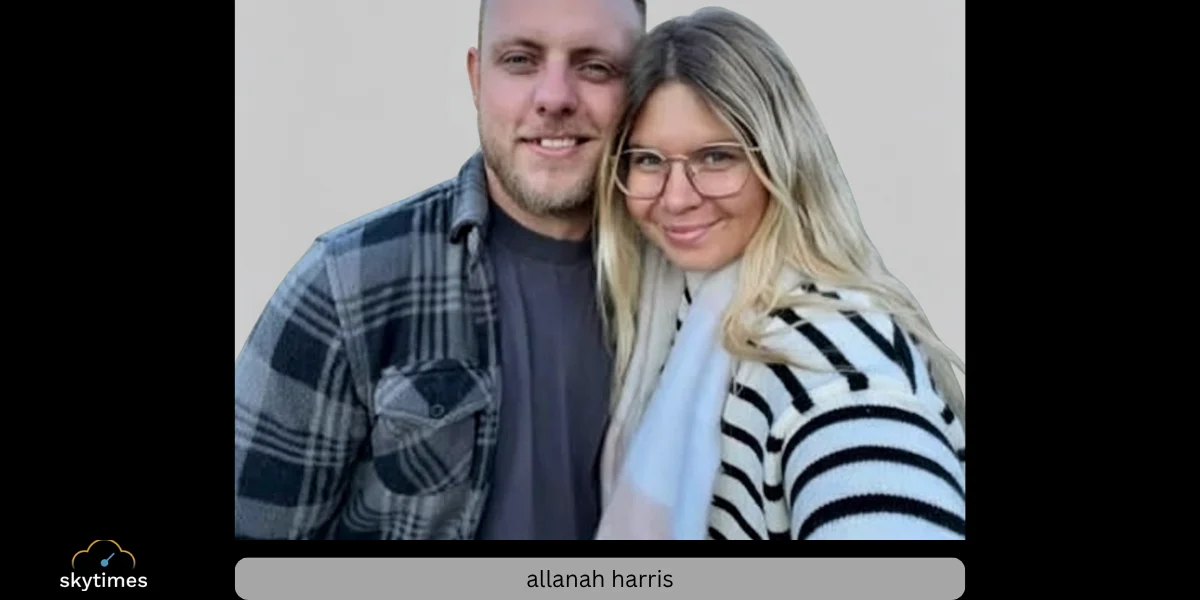
Allanah Harris’s story presents a complex and cautionary tale of the blurred lines between social media fame and personal tragedy. Once a beloved Australian TikTok influencer known for her warm, family-centered content, Allanah amassed over a million followers by sharing intimate glimpses of her parenting journey. However, her public image came crashing down in 2024 when she faced serious allegations involving child abuse and fraud, shaking her followers and the wider community. This article delves into Allanah Harris’s rise to online stardom, the shocking allegations against her, and the broader implications of such cases in the era of social media.
Allanah Harris: The Rise of Allanah Harris on TikTok
Allanah Harris entered the social media spotlight in early 2021, quickly becoming a prominent figure on TikTok under the handle @the.harris.familyy. Alongside her husband Brock Harris, Allanah shared relatable, heartfelt parenting vlogs that resonated with a vast audience.
Key elements of her online success included:
- Family-focused content: Videos showcasing daily life with their four children—Ellie, James, Chase, and Daisy.
- Pregnancy and birth updates: Particularly notable was a viral video of the birth of her daughter Daisy, which garnered over 30 million views.
- Engaging storytelling: She effectively used candid moments to build a sense of community and trust among her followers.
- Rapid growth: By 2024, the channel had amassed more than 1.1 million followers and 55 million likes.
Her content tapped into the widespread appeal of family vlogging, offering both entertainment and a window into parenting challenges and joys.
Allanah Harris: The 2024 Allegations: A Disturbing Turn
Late in 2024, Allanah Harris’s public persona was overshadowed by grave allegations that sent shockwaves through the social media world and beyond. Authorities charged her with:
- Child abuse
- Administering poison
- Child exploitation
- Fraud
According to police reports, Allanah allegedly administered benzodiazepines to her youngest daughter, Daisy, then just one year old. The motive appeared to be fabricating a serious illness to elicit sympathy, gain donations, and attract attention — behaviors consistent with Munchausen syndrome by proxy (MSBP). This led to unnecessary hospitalizations and even brain surgeries for Daisy, exposing her to profound medical risks.
Following these revelations:
- All four children were removed from Allanah’s care.
- Her social media accounts and fundraising pages were promptly taken down.
- The case continues to unfold in legal proceedings as of 2026.
Allanah Harris: Understanding Munchausen Syndrome by Proxy (MSBP)
To contextualize the allegations, it is important to understand MSBP, a rare but serious psychological disorder where a caregiver fabricates or induces illness in a child to gain attention or sympathy.
Characteristics of MSBP include:
- Repeated medical interventions without clear medical necessity.
- The caregiver often appears overly attentive or concerned.
- The child may suffer significant harm due to unnecessary treatments.
MSBP cases are challenging for authorities because they involve deception within trusted relationships, often making detection and intervention difficult.
Allanah Harris: Impact on Social Media and Family Influencers
The Allanah Harris case highlights significant concerns about the pressures and risks tied to family influencers and social media fame:
- Blurred boundaries: Sharing intimate family moments can sometimes lead to unhealthy dynamics or exploitation.
- Monetization of personal life: Fundraising or sponsorship tied to personal hardship can create incentives for drama.
- Public scrutiny and privacy loss: Influencers often face intense public judgment, which can exacerbate personal struggles.
This case has prompted calls for stricter oversight of social media content involving children and more responsible online behavior from creators.
Allanah Harris: Lessons and Expert Insights
For parents, influencers, and those working with families online, several lessons emerge from Allanah Harris’s story:
- Prioritize child welfare over content creation: Children’s health and privacy must never be compromised for social media engagement.
- Be vigilant for signs of abuse or neglect: Unexplained medical issues or unusual caregiver behavior warrant attention.
- Seek professional support early: Mental health resources for caregivers can prevent harmful behaviors.
- Maintain transparency and accountability: Influencers should foster trust through honesty about their content and motivations.
Allanah Harris: Common Mistakes in Family Influencing on Social Media
Many influencers unintentionally fall into pitfalls that can harm their families or reputations:
- Over-sharing sensitive family moments without considering long-term impacts.
- Using children’s health or struggles as content to gain sympathy or monetization.
- Ignoring signs of caregiver burnout or stress that could lead to harmful behavior.
- Failing to set clear boundaries between public content and private family life.
The Future Outlook: Balancing Fame and Family Safety
As social media continues to evolve, the Allanah Harris case serves as a stark reminder of the need for:
- Enhanced regulation: Platforms may need to implement stricter guidelines for content involving children.
- Greater awareness: Educating influencers and followers about the ethical limits of sharing family life.
- Support systems: Providing mental health and parenting support for those in the public eye.
- Protecting vulnerable children: Ensuring that children featured online have safeguards to prevent exploitation.
Conclusion: A Cautionary Tale with Broader Implications
Allanah Harris’s rise and fall encapsulate the potential perils of social media fame intertwined with family life. While her initial content brought joy and connection to many, the subsequent allegations reveal a disturbing undercurrent that challenges us to rethink how we engage with influencers and protect children in digital spaces.
Her story urges parents, creators, and audiences alike to remain vigilant, prioritize well-being, and foster a culture of responsibility and care. Above all, it highlights the urgent need for ongoing dialogue and action around the complex intersections of social media, mental health, and child safety.
In navigating this landscape, the lessons from Allanah Harris’s experience can guide us toward a healthier, safer, and more ethical online environment for families everywhere.