
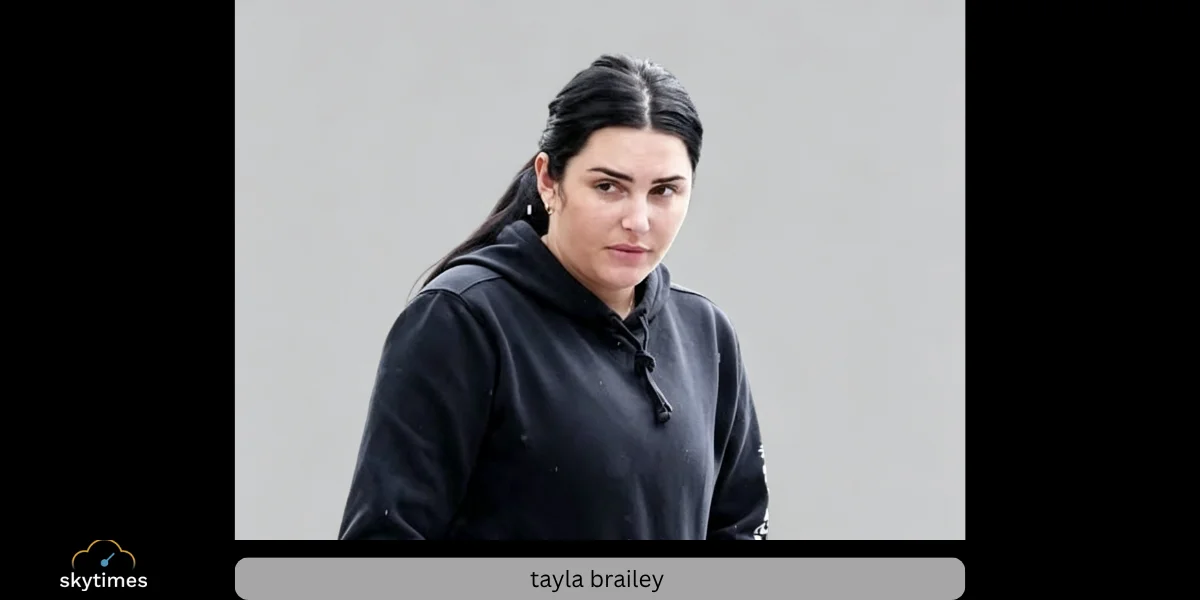
The Tayla Brailey case has become a deeply troubling chapter in the discourse on teacher conduct and student safety in New South Wales. Once a respected physical education and Community and family studies teacher at Lurnea High School in southwest Sydney, Brailey’s career came to an abrupt and ignominious halt in 2024 when she was arrested and charged with serious sexual offenses involving students under her care. This article provides a thorough and professional overview of the case, highlighting the key details, legal proceedings, and broader implications for education and trust in authority figures.
Background: Who is Tayla Brailey?
Tayla Lee Brailey, aged 32 as of 2026, was a high school educator known for her role teaching Physical Education and community and family studies at Lurnea High School. Her position placed her in a critical role of trust and responsibility toward her students. However, this trust was later broken by actions that led to criminal charges and a significant fall from grace.
Tayla Brailey: The Allegations and Charges: Breach of Trust in Education
In August 2024, Brailey was arrested following allegations of sexual misconduct involving two male students aged 16 and 17, both under her authority as a teacher.
Key Charges Against Brailey
- Sexual intercourse with a 17-year-old student near the school, specifically in a car during school hours.
- Sexual touching of a 16-year-old student, uncovered through police investigation.
- Using a carriage service to access and transmit child abuse material, including sending explicit videos of herself to students via platforms like Snapchat.
Details of Incidents
- The involvement of digital platforms played a significant role, as Brailey reportedly sent explicit videos and messages to students, exacerbating the breach of professional boundaries.
- Police uncovered evidence on her phone leading to the identification of the second victim.
- The case was particularly alarming given the context of school hours and the abuse of authority inherent in teacher-student relationships.
Tayla Brailey: Legal Proceedings: Guilty Plea and Bail Conditions
Brailey faced the legal system with multiple charges brought against her in quick succession.
Court Timeline
- Arrested twice in August 2024, initially for the offences involving the 17-year-old, then the 16-year-old.
- On 4 March 2026, at Campbelltown Local Court, Brailey pleaded guilty to the major charges, including sexual intercourse with a minor under her authority, sexual touching, and child abuse material offences.
- Several additional charges were withdrawn as part of a plea deal.
Bail and Restrictions
Following her plea, Brailey remains on strict bail conditions, which include:
- Prohibition from contacting minors.
- A ban on entering any school premises.
- Requirement to be supervised by parents when leaving her home.
Tayla Brailey: Professional and Personal Consequences
The ramifications of the case extended beyond legal penalties, affecting Brailey’s professional and personal life severely.
Employment Status
- The NSW Department of Education suspended and subsequently dismissed Brailey from her teaching position.
- Her dismissal underscores the zero-tolerance policy toward abuse of authority within educational institutions.
Personal Life
- Reports indicate that Brailey’s marriage ended in early 2026, with her husband filing for divorce shortly before her guilty plea.
- The case’s public nature and severity have had profound personal consequences.
Tayla Brailey: Broader Impact: Trust, Safety, and Legal Framework
The Tayla Brailey case has reverberated through the education community and the public, raising important issues about safeguarding students and maintaining professional boundaries.
Legal Context in NSW
- While the age of consent in New South Wales is 16, sexual activity between teachers and students is illegal regardless of age due to the power imbalance and position of authority.
- This distinction serves to protect students from exploitation and abuse of trust.
Educational Safeguards
- The case highlights the necessity for rigorous background checks, ongoing staff training, and clear reporting mechanisms within schools.
- Schools must foster environments where students feel safe to report inappropriate conduct without fear.
Community and Media Response
- The media spotlight on the case has fueled public discourse on teacher accountability.
- Parents and educators alike are urging stronger preventative measures to avoid similar incidents.
Tayla Brailey: Expert Insights and Recommendations
Drawing lessons from this case, experts recommend several strategies:
- Clear Boundaries: Schools must consistently reinforce professional boundaries between staff and students.
- Digital Safety: Training on the responsible use of technology and social media is essential for both teachers and students.
- Mental Health Support: Providing support for both victims and perpetrators can aid prevention and rehabilitation.
- Reporting Culture: Encouraging a culture where students can safely report concerns is vital.
Common Mistakes in Handling Teacher Misconduct
- Ignoring Early Warning Signs: Failure to act on suspicious behavior can allow abuse to continue.
- Lack of Training: Inadequate staff education on legal and ethical standards.
- Poor Communication: Ineffective communication between school administration, parents, and law enforcement impedes timely action.
- Minimizing Complaints: Dismissing or downplaying student concerns damages trust.
Avoiding these errors is key to protecting students and maintaining school integrity.
Future Outlook: Policies and Prevention
As the Tayla Brailey case proceeds toward sentencing, its legacy may spur improvements in education governance.
Potential Policy Changes
- Enhanced vetting and monitoring of educators.
- Mandatory training on boundaries and abuse prevention.
- Improved coordination between schools and law enforcement.
Community Engagement
- Strengthening partnerships between parents, schools, and authorities to safeguard children.
- Promoting awareness campaigns to educate about the risks and signs of misconduct.
Conclusion
The Tayla Brailey case is a sobering example of the devastating consequences that arise when trust in educational professionals is betrayed. Her actions not only led to legal repercussions and personal downfall but also highlighted significant vulnerabilities in protecting students from exploitation. The case serves as a call to action for educators, administrators, and policymakers to strengthen safeguards, foster transparent environments, and uphold the highest standards of professional conduct.
For the broader community, this incident reinforces the vital importance of vigilance, education, and collective responsibility in protecting young people. As legal proceedings continue, the hope is that lessons learned will translate into meaningful change, ensuring schools remain safe spaces where trust and learning can flourish without fear.