
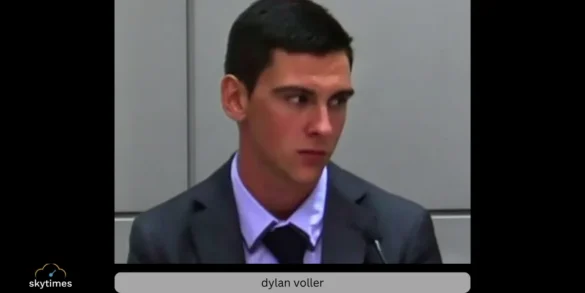
Dylan Voller’s story is one of hardship, exposure, and ultimately transformation—a powerful narrative that brought national attention to the systemic failings of Australia’s youth detention system, particularly as it affects Indigenous children. Emerging from a troubled childhood marked by repeated incarceration, Voller’s ordeal sparked outrage and reform efforts, while his subsequent journey into music and advocacy offers a compelling example of resilience and the ongoing struggle for justice.
Dylan Voller: Early Life and Struggles in Youth Detention
Born in Adelaide and raised in Alice Springs, Dylan Voller’s early years were shadowed by brushes with the law. By the age of 11, he had already spent significant periods in youth detention centres, including the infamous Don Dale facility in Darwin.
Background Challenges
- Experienced a turbulent childhood with limited stability.
- Committed offences such as car theft, robbery, and assault from a young age.
- Repeated placements in youth detention, highlighting systemic issues in juvenile justice.
These early experiences placed Voller at the heart of a troubled system that disproportionately impacts Indigenous youth.
Dylan Voller: The 2016 Four Corners Exposé: “Australia’s Shame”
The turning point in Dylan Voller’s public profile came with the broadcast of ABC’s Four Corners episode titled “Australia’s Shame” in July 2016. The program revealed harrowing footage of Voller’s treatment within the Northern Territory youth detention system.
Disturbing Footage and Its Impact
- Showed Voller restrained in a chair, wearing a spit hood.
- Included scenes of tear gas deployment and prolonged isolation.
- Sparked nationwide outrage over the mistreatment and abuse of children in detention.
This exposé was instrumental in galvanizing public demand for accountability and reform in the youth justice sector.
Dylan Voller: The Royal Commission and Advocacy
Following the revelations, the Australian government established the Royal Commission into the Protection and Detention of Children in the Northern Territory (2016–2017).
Voller’s Role and Broader Implications
- Dylan Voller gave pivotal evidence at the commission, sharing firsthand accounts of his experiences.
- The commission’s findings underscored systemic neglect and abuse, particularly impacting Indigenous detainees.
- Recommendations led to policy changes aimed at improving conditions and oversight in youth detention.
Voller emerged not only as a victim but as a symbol for broader Indigenous rights and youth justice reform.
Life After Detention: Challenges and New Beginnings
Despite the spotlight and reform efforts, Dylan Voller’s post-detention life has been complex, marked by ongoing personal struggles.
Continuing Legal Issues
- Faced charges related to assault and drug possession.
- These setbacks reflect the difficulties many former detainees encounter in reintegrating into society.
Turning to Music as Healing
- Voller has embraced hip-hop and rap as outlets for expression and healing.
- His music addresses themes of trauma, systemic injustice, and personal resilience.
- Notable performances include appearances at major events such as Dark Mofo.
Music has become a powerful tool for Voller to reclaim his narrative and advocate for change.
Lessons and Insights from Dylan Voller’s Journey
Voller’s life offers valuable perspectives for policymakers, community workers, and the public.
Key Takeaways
- Address Root Causes: Early intervention and support for at-risk Indigenous youth are critical.
- Improve Detention Conditions: The need for humane treatment and mental health services in detention centres cannot be overstated.
- Support Reintegration: Providing pathways for education, employment, and mental wellness is essential to reduce recidivism.
- Amplify Indigenous Voices: Empowering Indigenous Australians to lead reform ensures culturally appropriate solutions.
Common Mistakes in Youth Justice
- Over-reliance on incarceration rather than rehabilitation.
- Ignoring cultural sensitivities and community involvement.
- Insufficient mental health and trauma-informed care.
Avoiding these pitfalls can help build a more just and effective system.
Future Outlook: Healing and Reform
The spotlight on Dylan Voller’s story continues to influence national conversations about justice and equality.
Moving Forward
- Ongoing efforts to implement Royal Commission recommendations.
- Increased investment in community-led programs for Indigenous youth.
- Greater recognition of the role arts and culture play in healing trauma.
Voller’s journey embodies both the challenges and the possibilities of transformative change.
Conclusion
Dylan Voller’s life reflects a painful but crucial chapter in Australia’s reckoning with youth justice and Indigenous rights. From the harrowing exposure of his treatment in detention to his courageous advocacy and artistic expression, Voller challenges us to confront uncomfortable truths and to commit to meaningful reform. His story is a testament to resilience in the face of adversity and a call to action for a fairer, more compassionate society—one that protects its most vulnerable and honors Indigenous voices at every step.