
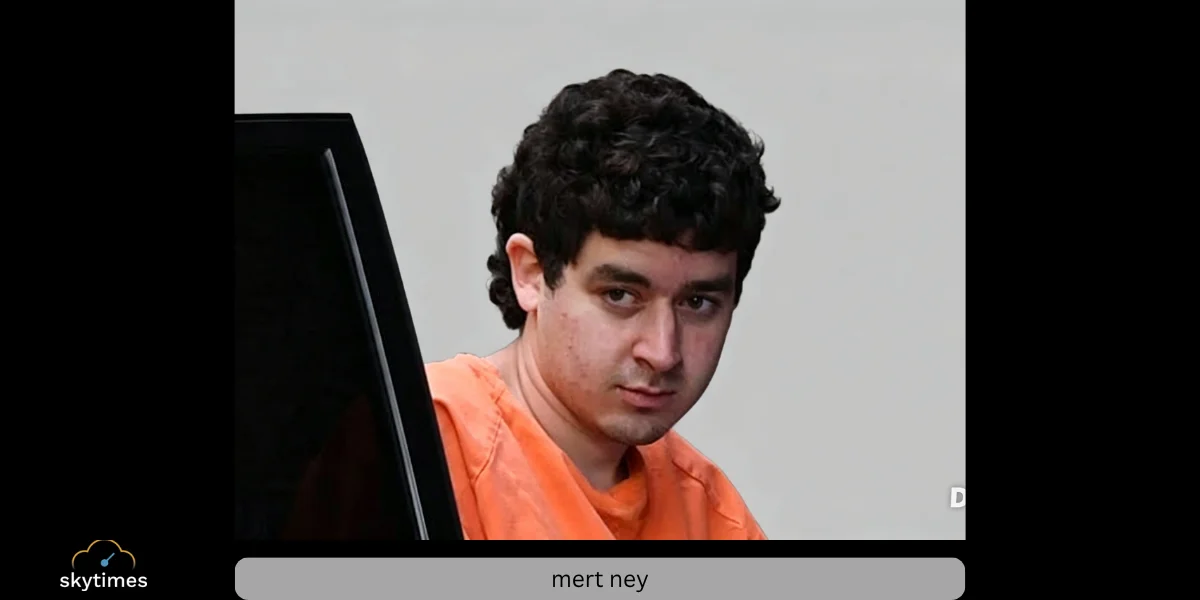
On 13 August 2019, Sydney’s Central Business District was shaken by a sudden and violent stabbing attack that would leave a lasting impact on the community. The perpetrator, 21-year-old Mert Ney, launched a brutal assault that resulted in the murder of Michaela Dunn and the injury of another woman. His rampage through the city streets, armed with a kitchen knife and shouting alarming phrases, brought terror to innocent bystanders and led to a dramatic citizen-led capture that quickly made headlines. This article provides a comprehensive examination of Mert Ney’s attack, his background, the legal proceedings, and the broader implications of this tragic event.
Mert Ney: The Attack: A Moment of Violent Horror
Mert Ney’s violent spree began inside an apartment in Sydney’s CBD, where he fatally stabbed 24-year-old Michaela Dunn, a sex worker, multiple times. What followed was a terrifying public rampage that exposed many to harm.
Key Details of the Incident
- Victim One: Michaela Dunn was stabbed repeatedly in an apartment, resulting in her death.
- Victim Two: Linda Bo (also known as Lin Bo) was stabbed in the street but survived her injuries.
- Public Rampage: Ney ran through the streets wielding a kitchen knife, jumping on cars and threatening pedestrians.
- Shouting: Throughout the attack, he shouted phrases including “Allahu Akbar,” creating fear and confusion among onlookers.
The attack was shocking not only for its brutality but also for its randomness and public nature. Civilians, witnessing the chaos, banded together to stop Ney by using improvised weapons like chairs and a milk crate—hence the media nickname “Milk Crate Murder” case.
Mert Ney: The Capture: Courage of Everyday Citizens
The swift actions of brave bystanders played a crucial role in bringing the attack to an end.
How Ney Was Stopped
- Civilians pursued Ney despite the danger, showing remarkable courage.
- Using chairs and a milk crate, they managed to subdue and detain him until police arrived.
This collective effort highlighted the community’s resilience and willingness to protect one another in the face of violence.
Background of Mert Ney: Mental Health and Motivations
Understanding the factors behind Ney’s actions requires examining his personal history and mental state.
Mental Health History
- Described as a loner with existing mental health challenges.
- No formal links to organized terrorist groups were found.
- Authorities discovered materials suggesting extremist ideologies, but these were not directly connected to any group.
This complex background underscores the difficulties in predicting and preventing lone-actor violence, especially when mental health issues are involved.
Legal Proceedings and Sentencing
Following his arrest, Mert Ney faced serious charges and legal scrutiny.
Court Case Highlights
- Ney pleaded guilty to murder and attempted murder charges.
- The case was heard amidst significant media attention due to the violent nature and public impact of the crime.
Sentencing Outcome
- In May 2021, Ney was sentenced to 44 years in prison, with a non-parole period of 33 years.
- The sentence reflected the severity of the offenses and the need to protect the public.
Broader Implications: Mental Health, Public Safety, and Community Response
The Mert Ney case raises important questions and lessons for society.
Mental Health and Violence
- The intersection of untreated mental illness and violent behavior requires ongoing attention.
- Improved mental health services and intervention strategies are critical to preventing similar tragedies.
Public Safety Measures
- The incident showed vulnerabilities in urban safety but also strength in community action.
- Encouraging public awareness and training for emergency situations can empower citizens.
Media and Public Perception
- The use of specific phrases during the attack led to misinterpretations around motive and terrorism.
- Accurate information and sensitive reporting are essential to avoid stigma and misinformation.
Practical Lessons and Expert Tips
For individuals and communities, the Ney case offers practical insights:
- Mental Health Vigilance: Recognize warning signs and encourage professional help early.
- Community Preparedness: Foster neighborhood networks that can respond collectively to emergencies.
- Crisis De-escalation: Training in safe intervention techniques can reduce harm.
- Responsible Media Consumption: Seek verified information to avoid spreading fear or bias.
Common Mistakes to Avoid
- Ignoring Mental Health Issues: Stigma often prevents timely support.
- Underestimating Public Role: Civilians can be effective responders if prepared.
- Sensationalizing Incidents: Overemphasis on unverified motives can harm community cohesion.
- Neglecting Aftercare: Victims and witnesses need psychological support after traumatic events.
Future Outlook: Strengthening Prevention and Resilience
Looking forward, the focus should be on:
- Enhanced Mental Health Services: Early intervention programs and increased funding.
- Community Policing and Engagement: Building trust and cooperation between law enforcement and citizens.
- Educational Campaigns: Promoting awareness of mental health and public safety.
- Research on Lone-Actor Violence: To better understand and mitigate risks.
Conclusion
The Mert Ney stabbing in Sydney’s CBD remains a stark reminder of how quickly violence can erupt in public spaces and the devastating consequences that follow. Ney’s background, including his mental health struggles, points to broader societal challenges that demand attention. Yet, amid tragedy, the courageous response of everyday citizens serves as a beacon of hope and resilience.
By learning from this case, communities can better prepare for emergencies, support those at risk, and foster safer environments. The balance between vigilance, compassion, and practical measures is essential in preventing future incidents and healing after trauma.
As Australia continues to grapple with the complexities of mental health and public safety, the story of Mert Ney underscores the urgent need for comprehensive strategies that protect both individuals and society at large.