
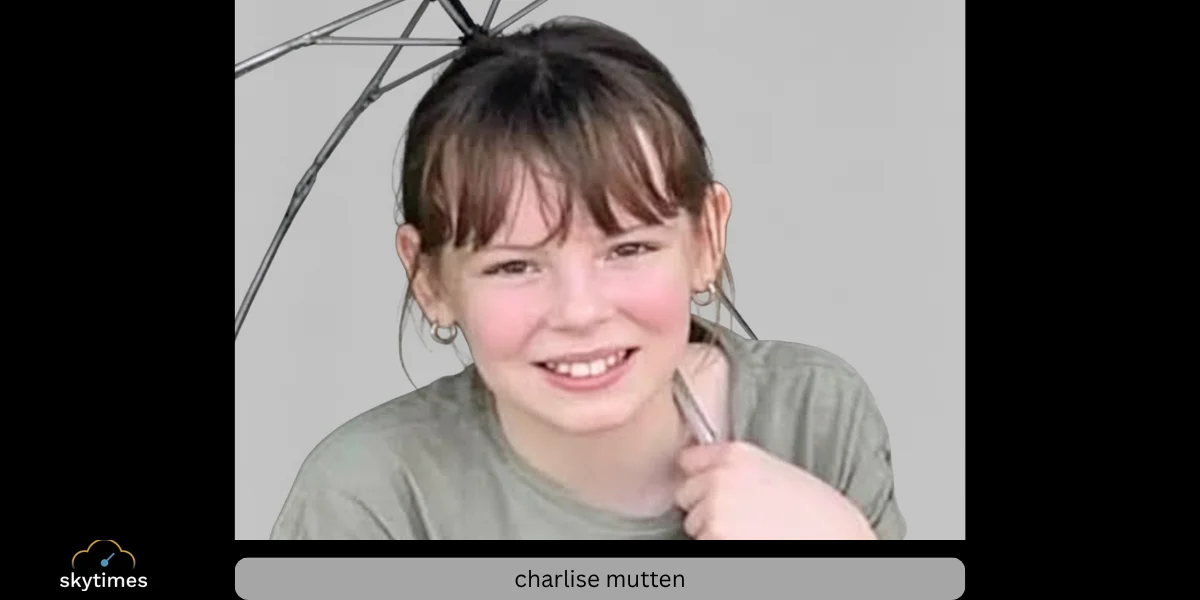
In thirty years of covering criminal justice stories, certain cases stay with you long after the headlines fade. The story of Charlise Mutten is one of them. She was nine years old, staying with family over the Christmas holidays in the Blue Mountains, when her life was taken by someone she trusted. What followed was a nationwide search, a harrowing investigation, and a court case that exposed painful truths about how a child can slip through the cracks of family circumstance.
This is a difficult story to tell, but an important one. Charlise’s case became a turning point in public conversations about child protection in New South Wales, and understanding what happened to her helps explain why.
Background and Disappearance
Charlise Mutten had lived with her maternal grandmother on the Gold Coast since she was five years old, following her parents’ separation. In December 2021, she traveled to the Blue Mountains to spend the school holidays with her mother, Kallista Mutten, and her mother’s fiancé, Justin Stein, at a property owned by Stein’s family in Mount Wilson.
A few background details help explain the circumstances surrounding her visit:
- Charlise’s mother had previously served a prison sentence after a driving offense involving methamphetamine use that resulted in another person’s death.
- Kallista Mutten met Justin Stein while both were serving time in custody, and the pair became engaged shortly after her release.
- Charlise did not have ongoing contact with her biological father, and her grandparents had been her primary carers for most of her childhood.
On January 13, 2022, Charlise was reported missing from the Wildenstein Estate wedding venue at Mount Wilson, triggering an immediate and intensive police response.
Search and Discovery
The days following her disappearance saw one of the largest search operations New South Wales had seen in recent years, involving police, search-and-rescue teams, and widespread community concern. Sadly, the search ended in tragedy.
Key facts from this period include:
- Charlise’s body was discovered on January 18, 2022, approximately 65 kilometers from where she was last known to be, near the Colo River.
- Investigators determined that she had died from a gunshot wound.
- The circumstances of how her body was concealed and transported became central to the criminal case that followed.
Expert tip for readers following major missing-person cases: Large-scale searches that shift quickly from a missing-person operation to a homicide investigation are often a sign that police have identified physical evidence early, even if that evidence is not made public straight away. This was true of Charlise’s case, where investigative attention turned to Stein within days.
Investigation and Charges
Justin Stein was arrested and charged in connection with Charlise’s death shortly after her body was found. Over the following months, police laid a series of additional charges against him, including allegations that he improperly interfered with a corpse, along with unrelated firearms offenses and charges of possessing child abuse material.
Stein pleaded not guilty to the murder charge, and his defense during the trial rested on a claim that Charlise’s mother, Kallista Mutten, had been responsible for the shooting. The Crown prosecution argued instead that Stein had drugged Charlise with a prescribed sedative and killed her to cover up what he had done, pointing to phone records, witness testimony, and CCTV footage tracking his movements in the days following her death.
Common mistake in following high-profile trials like this one: assuming a defendant’s courtroom claims carry the same weight as the prosecution’s evidence simply because they are reported alongside each other. In this case, the jury ultimately rejected Stein’s account after weighing the full body of evidence presented over the course of the trial.
On June 19, 2024, a jury found Justin Stein guilty of Charlise’s murder.
Court Proceedings and Sentencing
On August 26, 2024, Justice Helen Wilson sentenced Stein to life imprisonment without the possibility of parole, one of the most severe sentences available under New South Wales law. In handing down her decision, the judge described the crime as shockingly callous and found that Stein had shown no genuine remorse, instead spending his energy attempting to shift blame onto Charlise’s mother throughout the trial.
Separately, Stein faced further proceedings related to the unrelated child abuse material charges laid against him, which were dealt with in subsequent court dates outside the main murder trial. As of the most recent public record, no appeal against the murder conviction or sentence has been reported, meaning the case now stands as legally resolved, even as its emotional aftermath continues for those closest to Charlise.
Impact on Community and Child Safety Discussions
Charlise’s case left a lasting mark well beyond the courtroom. Her grandfather, who had been her primary carer for most of her life, spoke about the enduring burden of unanswered questions and the failure of adults around her to keep her safe.
The case prompted broader public discussion around several key issues:
- Informal care arrangements. Charlise’s living situation, moving between a primary carer and a parent working through her own recovery, highlighted gaps in how such arrangements are monitored.
- Risk assessment around new partners. Questions were raised about how much scrutiny is applied when children are placed in the care of a parent’s new partner, particularly one with a history of drug dependency and criminal convictions.
- New South Wales sentencing law. The case drew attention to the state’s approach to sentencing for the murder of a child, which is notably harsher than in most other Australian states and territories.
In my experience, cases like this tend to produce strong public emotion but slower structural change. Genuine reform in child protection policy requires sustained pressure well beyond the news cycle that follows a single tragic case.
Conclusion
Charlise Mutten’s death was a profound failure of trust, compounded by circumstances that left her vulnerable in ways no child should ever be. Her case concluded in the courts with a life sentence for the man responsible. Still, the questions it raised about child safety, informal care arrangements, and the protection of vulnerable children remain very much alive. For a country that continues to grapple with how best to protect its most vulnerable children, Charlise’s story stands as a painful but necessary reminder of what is at stake when those protections fail.