
Introduction:
On a September morning in 2014, three‑year‑old William Tyrrell disappeared while playing in the front yard of his foster grandmother’s home in Kendall, a quiet town on the Mid North Coast of New South Wales, Australia. In the years since, William’s case has become one of the country’s most high‑profile and heartbreaking missing child investigations.
At the centre of the story, alongside William himself, is the woman widely known in the media simply as his foster mother. For more than a decade, her life has been shaped by intense public scrutiny, repeated investigations, and the relentless emotional weight of not knowing what happened to the boy she helped raise.
This article draws together what can responsibly be said about William Tyrrell’s foster mother, her role in the case, and where things stand as of 2026.
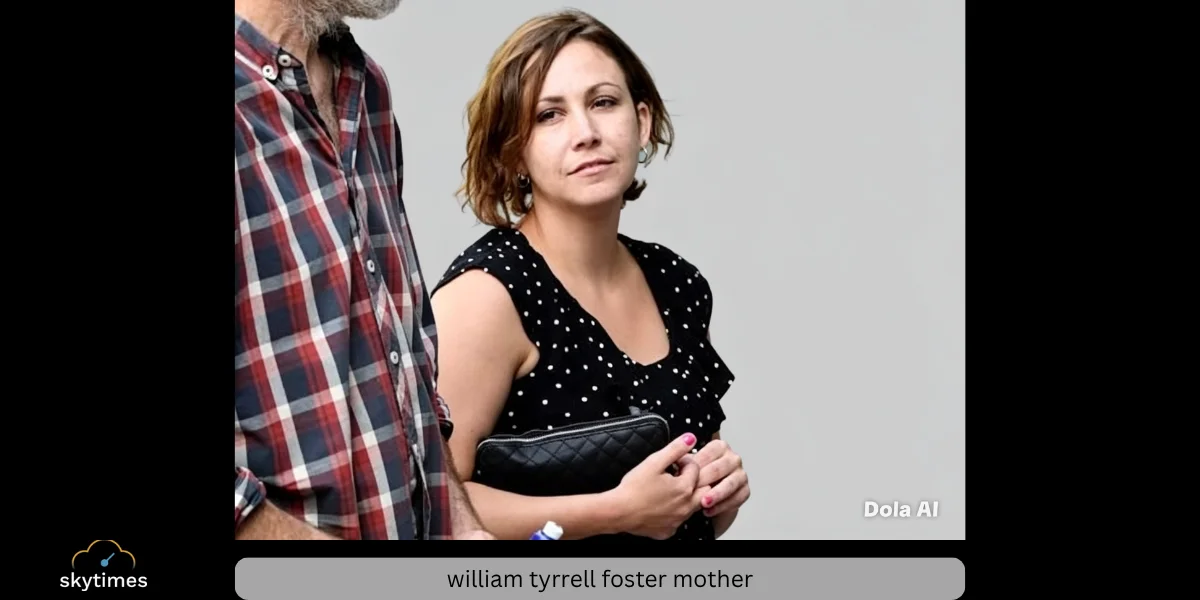
Who Is William Tyrrell’s Foster Mother?
Because of strict child protection laws and longstanding court orders, Australian media typically do not publish the real name of William’s foster mother. She is commonly described simply as “William’s foster mother” or “his foster carer.”
However, some broadly understood points provide context:
- She and her husband were the foster parents of William and his sister at the time of his disappearance.
- The children were living with them under a formal foster care arrangement.
- In September 2014, the family travelled with William and his sister from Sydney to Kendall to visit his foster grandmother.
- It was during this visit, on 12 September 2014, that William vanished from the property while playing outside.
For legal, ethical, and privacy reasons, the foster mother’s personal background is generally not detailed in public reporting. Instead, coverage focuses on her role in the events surrounding William’s disappearance and the subsequent investigations.
William Tyrrell’s Foster Mother Role and Public Appeals
Active Involvement in the Search
From the early days of the investigation, the foster mother was not a passive figure. She participated in searches, cooperated with investigators, and engaged with support services. Over time, she became one of the primary voices calling for information about William’s whereabouts.
Media Appeals and Public Statements
While unable to be fully identified, she nonetheless appeared in media coverage, often with her voice or image partially obscured due to legal restrictions. In those appearances, she typically:
- Pleaded for information from anyone who might know what happened to William.
- Described the emotional devastation experienced by the family.
- Emphasised that William was – and remains – a much‑loved child, not just a name in the news.
These public appeals serve several purposes in a case like this:
- Keeping the case alive in public memory: Reminders encourage people to revisit what they saw or heard around the time of the disappearance.
- Humanising the victim: The foster mother’s words reinforce that William is not an abstract “case,” but a real child with a family.
- Encouraging new information: Emotional appeals sometimes prompt witnesses who were previously reluctant or unsure to come forward.
Navigating Legal and Investigative Constraints
Over the years, the foster mother and her family have had to balance their desire to speak openly with the constraints of an active police investigation and strict child protection laws. This has meant:
- Accepting that some questions must go unanswered in public forums.
- Complying with suppression orders and media guidelines.
- Allowing investigators to lead the narrative when operationally necessary.
William Tyrrell’s Foster Mother Challenges Faced by the Family
Few families experience the combination of grief, uncertainty, and scrutiny that the Tyrrell foster family has endured. William’s foster mother, in particular, has confronted several overlapping challenges.
1. Intense Media and Public Scrutiny
High-profile cases attract sustained attention. Over time, this can become deeply intrusive:
- Constant media interest in any development, however minor.
- Speculation and rumours circulate online, sometimes detached from verified facts.
- Photographs, commentary, and opinion pieces that dissect the family’s every move.
Common mistake in public discussion: treating rumours or unverified commentary as fact. Responsible observers should distinguish clearly between official statements, reputable reporting, and online speculation.
2. Emotional Toll and Complicated Grief
The foster mother has spoken, directly and indirectly through media coverage, about the immense emotional impact of William’s disappearance. Families in similar situations often report:
- Endless “what if” questions and self‑doubt about the day of the disappearance.
- Ambiguous loss – the pain of not knowing whether a loved one is alive or dead.
- Long-term anxiety and trauma frequently require professional support.
From an expert standpoint, this form of grief is particularly difficult because there is no clear point of closure. The foster mother continues to live with that uncertainty every day.
3. Legal Proceedings and Ongoing Investigations
Over the years, the family has also been involved in various legal processes and inquiries connected to the broader case and related matters. While details are complex and frequently subject to legal reporting limits, the practical reality for the foster mother has been:
- Regular interaction with lawyers, courts, and government agencies.
- Living under the shadow of official scrutiny, sometimes revisited as new lines of inquiry emerge.
- Having personal and family matters become part of the public record to an unusual degree.
A key expert tip for readers following such cases: interpret developments cautiously. Interim legal actions, procedural steps, or new investigative focuses do not automatically translate to conclusions about any individual’s guilt or innocence.
Current Status of the Foster Mother and the Case (2026)
As of 2026, William Tyrrell’s disappearance remains an open and active case. Police periodically conduct new searches, review fresh leads, and re‑examine earlier evidence.
For William’s foster mother, this continuing activity has two conflicting effects:
- Ongoing hope that one day there will be definitive answers about what happened to William.
- Ongoing strain, as each new development returns her and the family to the centre of public discussion.
Public reporting indicates that she continues to live with the consequences of that single morning in 2014:
- Her identity and everyday life are deeply shaped by William’s case.
- She remains closely associated with the search for truth and justice for him.
- Regular updates from authorities – even when limited – keep the emotional wound open.
From a broader perspective, William’s case has also influenced how authorities, the media, and the public think about missing children, foster care, and long-term investigations.
How to Engage Responsibly With This Story
Because the foster mother’s role is so central – and so emotionally charged – it is important for readers to approach the topic with care.
Practical Guidelines for Readers and Commentators
- Rely on reputable sources: Focus on information from official statements, court records, and established news organisations, rather than social media rumours.
- Respect legal restrictions: Avoid sharing identifying details about foster carers or children that are subject to suppression orders.
- Separate emotion from evidence: Sympathy, anger, or frustration are natural, but they should not replace an evidence‑based understanding of the case.
- Be cautious online: Posting accusatory or defamatory comments about individuals can harm real people and may have legal consequences.
Common Mistakes in Public Discussion
- Treating speculative theories as facts.
- Assuming that any new focus of police attention equals a final conclusion.
- Overlooking the ongoing trauma experienced by all families involved in long-term missing child cases.
Future Outlook
No one can reliably predict how or when the William Tyrrell investigation will conclude. However, based on decades of observing serious missing‑person cases, several points are clear:
- Cold cases can and do move forward: Advances in technology, renewed investigative effort, or a single new witness can transform a long‑stalled case.
- Families rarely stop seeking answers: William’s foster mother is likely to continue pressing for the truth for as long as she lives.
- Public interest remains a double‑edged sword: It can generate tips and pressure for action, but also fuels speculation and intrusiveness.
For William’s foster mother, the future will almost certainly remain tied to one central question: What happened to William? Until that is answered, every year that passes simply adds another layer of complexity to an already painful story.
Conclusion
William Tyrrell’s foster mother stands at a difficult intersection of love, loss, and public scrutiny. She was one of the adults caring for William on the day he vanished, and ever since, her life has been defined by a relentless search for answers – conducted under intense legal and media pressure.
She has:
- Participated in searches and public appeals.
- Lived with ambiguous loss and enduring trauma.
- Faced legal and social challenges that few people will ever fully understand.
As of 2026, the case remains unsolved. For the foster mother, that means waking up each day with a mixture of hope and heartbreak. For the wider public, it is a reminder that behind every headline is a family that continues to live with the consequences long after the news cameras move on.
The most constructive way to honour William – and respect his foster mother’s ordeal – is to engage carefully, think critically, and support efforts that prioritise truth, justice, and the protection of vulnerable children above all else.