
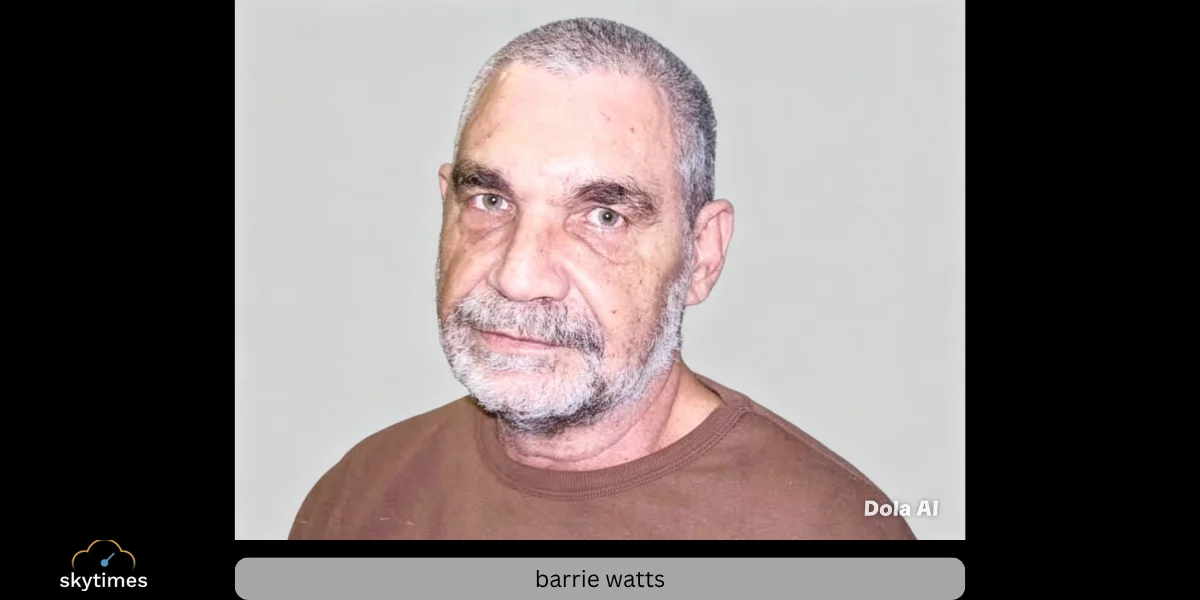
The tragic case of Barrie John Watts remains one of Australia’s most harrowing and notorious criminal stories. Convicted for the gruesome 1987 murder of 12-year-old Sian Kingi in Noosa, Queensland, Watts and his then-wife Valmae Beck shocked the nation with the sheer brutality of their crimes. Decades later, the impact of this case continues to resonate deeply within the community, law enforcement, and the justice system. This article provides a detailed exploration of the crime, the investigation, the trial, and Barrie Watts’ ongoing imprisonment.
Barrie Watts: The Crime: A Horrific Act in Noosa
On 9 November 1987, the quiet streets of Noosa were shattered by a crime that would haunt Australia for years to come.
The Abduction and Murder of Sian Kingi
- Victim: 12-year-old Sian Kingi was riding her bicycle in a local park when she was abducted.
- Perpetrators: Barrie Watts and Valmae Beck.
- Nature of the Crime: Sian was raped, tortured, and murdered in an act of unimaginable cruelty.
- The crime was marked by extreme violence and a callous disregard for human life.
This event not only devastated the victim’s family but also instilled widespread fear and sorrow throughout the community.
Barrie Watts: Investigation and Arrest
The police launched an extensive investigation to bring the perpetrators to justice.
Key Investigation Details
- Watts and Beck became prime suspects after a thorough inquiry.
- Barrie Watts confessed to the crime, providing critical evidence for the prosecution.
- The arrest and subsequent investigation unraveled the full extent of the crime’s brutality.
The case highlighted the dedication and perseverance of law enforcement in pursuing justice for vulnerable victims.
Barrie Watts: Trial and Sentencing
The trial of Barrie Watts and Valmae Beck was a significant moment in Australian criminal history.
Court Proceedings
- Watts was convicted of murder and received a life sentence with a recommendation that he never be released.
- Beck was sentenced to a lesser term but died in prison in 2008.
- The court condemned the severity of their actions and Watts’ lack of remorse weighed heavily against him.
The sentencing reflected the judiciary’s firm stance against such heinous crimes, prioritizing justice and community safety.
Barrie Watts’ Life in Prison and Parole Denials
Since his conviction, Barrie Watts has remained incarcerated, with multiple parole applications denied.
Current Status and Public Sentiment
- As of 2026, Watts continues serving his life sentence.
- Parole boards have consistently refused his release, citing the horrific nature of the offence and his apparent lack of remorse.
- The victim’s family and community members remain vigilant, opposing any attempts at early release.
His incarceration serves as a stark reminder of the ongoing need for justice and protection for society’s most vulnerable.
Barrie Watts: Impact and Legacy of the Case
The Watts-Kingi case has had a profound effect beyond the courtroom.
Broader Implications
- Raised awareness about child safety and the risks children face in public spaces.
- Influenced policy discussions around sentencing laws for violent offenders.
- Served as a reference point in debates on parole for serious violent crimes.
- Highlighted the importance of victim advocacy and support services.
The case continues to inform law enforcement and legislative approaches to violent crime.
Barrie Watts: Practical Lessons and Expert Insights
This tragic case offers important lessons for criminal justice professionals and society at large.
Key Takeaways
- Swift and thorough investigations are critical in securing convictions in violent crimes.
- Victim-centred approaches help families navigate trauma and maintain community trust.
- Consistent parole decisions ensure public safety and uphold justice.
- Community education on child protection remains vital.
Common Mistakes to Avoid
- Underestimating the lasting trauma on victims’ families.
- Allowing political or public pressure to improperly influence sentencing or parole.
- Neglecting ongoing monitoring and rehabilitation efforts for violent offenders.
Properly addressing these areas contributes to a more effective justice system.
Looking Ahead: Justice and Prevention
While Barrie Watts’ fate is sealed behind bars, the case’s lessons serve the future.
Future Directions
- Continued focus on improving child protection laws and enforcement.
- Enhanced rehabilitation programs aimed at preventing reoffending.
- Strengthened community engagement to foster safer environments for children.
The legacy of this case drives ongoing efforts to prevent similar tragedies.
Conclusion
The brutal murder of Sian Kingi by Barrie Watts and Valmae Beck stands as a dark chapter in Australia’s criminal history. Watts’ conviction and life imprisonment reflect the severity with which the justice system treats such crimes. Yet beyond the legal outcomes, the case serves as a solemn reminder of the vulnerability of children and the responsibility society bears to protect them. As Watts remains behind bars, the collective focus remains on healing, prevention, and ensuring that the memory of Sian Kingi leads to a safer and more vigilant community for future generations.