
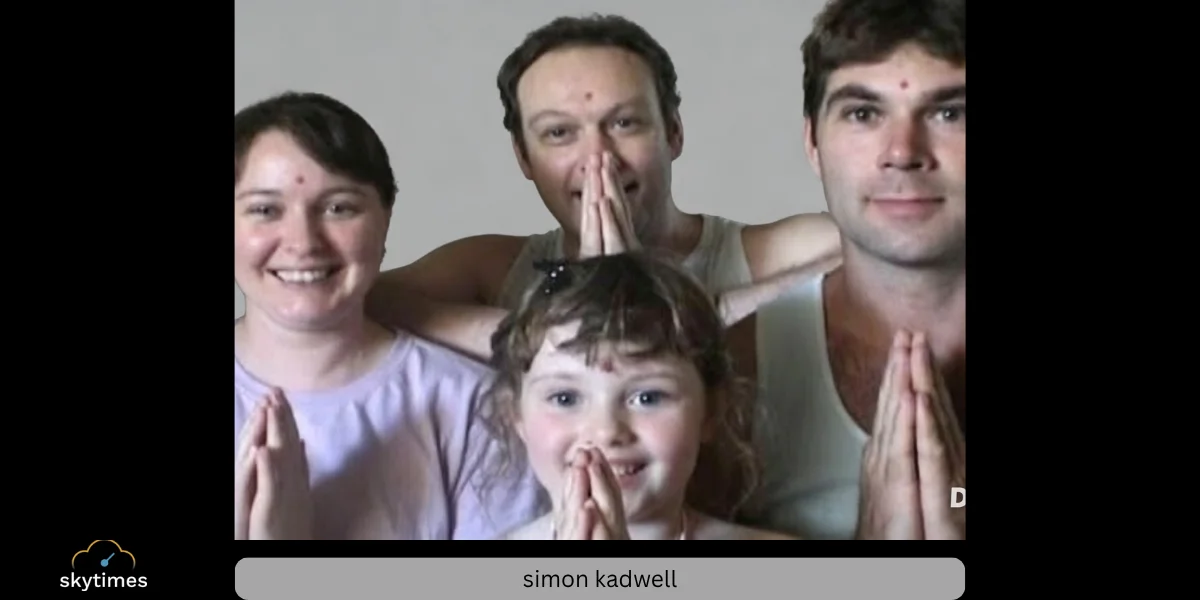
In the quiet town of Nannup, Western Australia, a small online doomsday cult once gathered around the enigmatic figure known as Simon Kadwell. Behind this alias was Gary Feltham, a man whose cryptic teachings and apocalyptic visions attracted a devoted following worldwide. Yet, in July 2007, Kadwell, alongside his partner, daughter, and a close friend, vanished without a trace, leaving behind more questions than answers. This article delves into the origins of the Truth Fellowship, the circumstances of the disappearance, the ensuing investigation, and the broader implications of cult dynamics in the digital age.
Simon Kadwell: The Man Behind the Mask: Who Was Simon Kadwell?
Simon Kadwell was a constructed identity adopted by Gary Feltham, who emerged as the leader of the Truth Fellowship—a niche spiritual group with an apocalyptic worldview.
Cult Formation and Beliefs
- Operated from a rented house in Nannup, WA, connecting with around 40 followers globally via the internet.
- Authored esoteric texts, notably Servers of the Divine Plan, which predicted the end of a 75,000-year cosmic cycle and the dawn of a new spiritual era.
- Promoted a worldview steeped in mysticism, spiritual renewal, and impending transformation.
Kadwell leveraged the internet to spread his messages, creating a virtual community bound by shared beliefs and anticipation of a cataclysmic shift.
Simon Kadwell: The Disappearance: July 2007
The enigma surrounding Kadwell intensified when he and three others abruptly vanished from their Nannup residence.
Circumstances of the Vanishing
- On or around 13 July 2007, Kadwell (aged 45), partner Chantelle McDougall (27), their daughter Leela (6), and friend Tony Popic (42) disappeared.
- They left behind wallets, credit cards, passports, and a note reading “Gone to Brazil.”
- The house was found unusually tidy, with food prepared on the table, suggesting a sudden departure.
- No confirmed sightings or contact since; financial and identity documents remained unused.
This sudden disappearance triggered widespread speculation about their fate—did they flee, disappear voluntarily, or meet with misfortune?
Simon Kadwell: The Investigation: Searching for Answers
Authorities launched a comprehensive inquiry following the disappearance, but definitive answers remained elusive.
Police Actions
- Conducted searches locally and extended efforts overseas, particularly in Brazil, in response to the cryptic note.
- Examined Kadwell’s past, revealing that the “Simon Kadwell” identity was stolen years prior.
- Explored links to cult activities and the psychological influence on followers.
Coronial Inquest (2017–2018)
- The inquest reviewed all available evidence but could not conclusively determine what happened to the missing four.
- The coroner ruled that it was likely they had died but could not specify the circumstances or location.
- Highlighted the challenges in investigating disappearances involving secretive groups and unverified claims.
Cult Influence and Broader Concerns
The Truth Fellowship’s story goes beyond disappearance; it raises questions about the power dynamics and risks within fringe spiritual movements.
Psychological and Social Impact
- Some followers were reportedly driven toward extreme beliefs, including suicidal ideation.
- Kadwell’s charismatic influence exemplified how isolated communities can become entrenched in dangerous dogma.
- The internet’s role as a conduit for cult recruitment and dissemination of apocalyptic ideology was underscored.
Warning Signs and Prevention
- The importance of early intervention when individuals become isolated in extremist groups.
- The need for community awareness about the nuances of online cults.
- Support structures for families affected by such disappearances and influences.
Lessons and Practical Insights
The case of Simon Kadwell and the Truth Fellowship offers valuable lessons for law enforcement, mental health professionals, and communities.
Key Takeaways
- Thorough Background Checks: Uncovering false identities is crucial in understanding cult leadership.
- Multi-jurisdictional Cooperation: Disappearances that cross borders require coordinated international efforts.
- Mental Health Awareness: Recognizing signs of radicalisation and psychological distress can prevent tragedies.
- Family Support: Providing resources and counseling to families dealing with disappearances linked to cults.
Common Mistakes to Avoid
- Assuming voluntary disappearance without exhaustive investigation.
- Underestimating the influence of online cults in isolated or rural areas.
- Ignoring the potential for harm among vulnerable followers.
Future Outlook: Navigating the Digital Age of Cults
In an era where the internet enables global connections, cases like Kadwell’s highlight evolving challenges.
Moving Forward
- Enhanced monitoring of online extremist content balanced with privacy rights.
- Development of digital literacy programs to help individuals critically assess fringe groups.
- Strengthening legal frameworks to address identity theft and fraudulent cult leadership.
By addressing these issues, society can better protect vulnerable individuals and respond effectively to mysterious disappearances.
Conclusion
Simon Kadwell’s story is a haunting chapter in Australia’s history of cults and disappearances. His rise as a doomsday prophet, the sudden vanishing of him and his close circle, and the decade-long mystery that followed reveal the complexities of faith, identity, and control in modern times. While the ultimate fate of Kadwell and his family remains unknown, their legacy serves as a cautionary tale about the power of belief, the vulnerabilities of isolation, and the enduring need for vigilance, compassion, and critical inquiry in the face of enigmatic movements.