
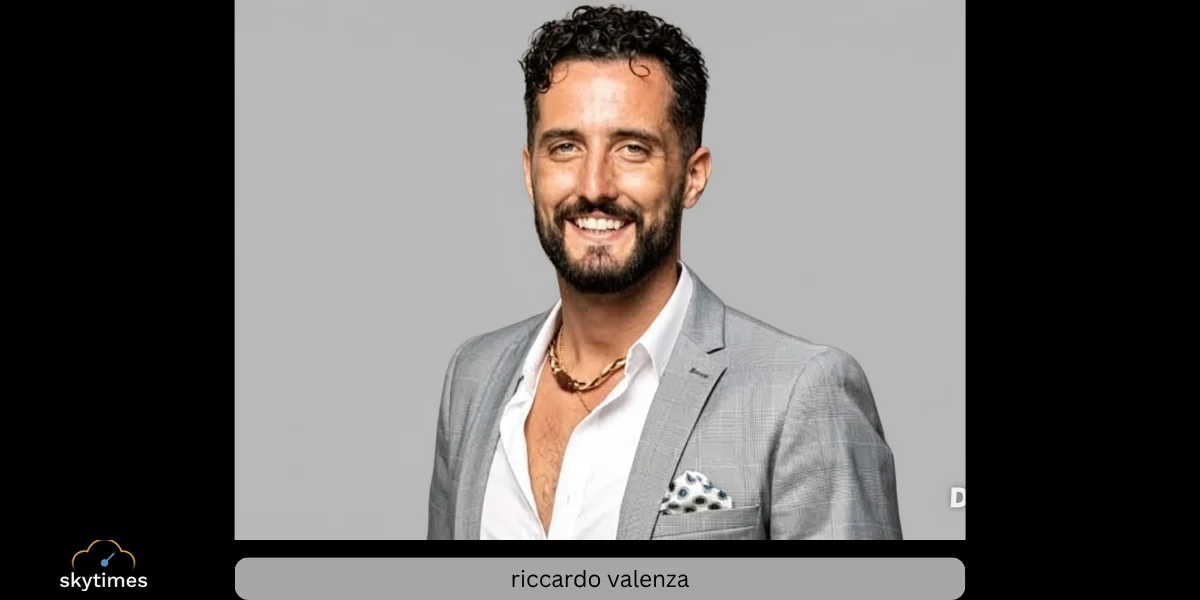
In the fast-paced world of modern media, certain individuals find themselves thrust into the public eye due to circumstances that fall outside the traditional realm of fame. The story of Riccardo Valenza is one such example—a narrative that has navigated the complex terrain of public interest, legal processes, and the enduring challenge of maintaining personal privacy in an age of constant digital observation.
For those of us who have spent decades chronicling the lives of public figures and private individuals alike, Valenza’s story offers a compelling study in how an individual manages the weight of external scrutiny while continuing to lead their personal and professional life.
Riccardo Valenza: Background: Contextualizing the Narrative
Based in Australia, Riccardo Valenza has been the subject of media attention that highlights the delicate balance between reporting on public-facing events and respecting the boundaries of an individual’s private existence. In our current media environment, stories often gather momentum through fragmented reports, online discussions, and the rapid dissemination of information across digital platforms.
When an individual becomes a focal point of such interest, the challenge often lies in distinguishing between the documented facts of a situation and the speculative narratives that can easily emerge. Throughout his time in the spotlight, Valenza has navigated the complexities of being a subject of interest, emphasizing the necessity for resilience when personal circumstances intersect with public curiosity.
Riccardo Valenza: Key Events: The Genesis of Public Interest
The coverage surrounding Riccardo Valenza has primarily been driven by specific events that captured the attention of local and regional media outlets. In journalism, we often categorize such events as “high-interest narratives,” where the details of a situation—whether legal, professional, or personal—serve as a catalyst for ongoing discourse.
- The Media Lens: Like many others in similar positions, Valenza’s involvement in public-facing stories has been analyzed through the lens of institutional and community reporting.
- The Weight of Documentation: The media often relies on records and testimonies to construct a narrative. For the individual, this means that specific moments or legal processes can become defining features of their public persona, regardless of their broader life experiences.
- The Impact of Disclosure: The transition from a private life to one documented by news organizations is rarely seamless. It requires a significant amount of adjustment as one deals with the public’s desire for information against the reality of lived experience.
A common mistake in public discourse is the assumption that media coverage provides a complete biography of an individual. In reality, news reports are often snapshots that capture a specific time or conflict, omitting the nuances that constitute a person’s daily life and character.
Riccardo Valenza: Public Response: The Dynamics of Perception
The response to Riccardo Valenza’s story reflects the polarized nature of modern public discourse. When an individual’s name becomes part of the public record, it often attracts varied reactions—from community empathy to intense, sometimes critical, scrutiny.
Understanding Public Perception
- The Echo Chamber Effect: Digital platforms and comment sections often create an environment where speculation is treated as fact. This can make it exceptionally difficult for an individual to correct misconceptions once they have taken root in the digital space.
- The Search for Balance: Observers need to maintain a sense of proportion. The events that trigger media coverage are often just one chapter in an individual’s life, rather than the definitive summary of their identity.
- Resilience and Boundaries: For those who find themselves in the public eye unexpectedly, the most effective strategy is often to set firm boundaries. Maintaining one’s professional and personal focus despite the noise of public opinion is a mark of significant character.
Current Life (2026): A Path Forward
As we approach the latter half of 2026, Riccardo Valenza continues to manage his personal and professional matters. In an era where the digital footprint is permanent, the act of “moving forward” involves a deliberate effort to reclaim one’s own narrative.
The focus in recent months has been on navigating the realities of daily life away from the immediate, intense cycle of media attention. This period serves as a quiet but crucial phase for any individual who has been subjected to public observation—a time to refocus, recalibrate, and prioritize the pursuits that truly define them.
Expert Insights for the Future
For any individual finding themselves in a position of public scrutiny, the outlook is shaped by three key principles:
- Prioritizing Reality over Perception: True growth occurs in one’s private life, not in the court of public opinion.
- Maintaining Professional Integrity: Continuing one’s work and personal commitments serves as a testament to one’s resilience.
- The Importance of Perspective: Recognizing that media attention, however intense it may feel at the time, is temporary, while one’s own life and values remain constant.
Conclusion
The story of Riccardo Valenza is a poignant illustration of the complexities inherent in modern visibility. It serves as a reminder that the individuals we read about in news reports are not characters in a digital drama, but people navigating the same challenges, aspirations, and realities as the rest of us.
As we look toward the future, the lessons from such stories are clear: we must strive for a more measured and empathetic approach to how we interpret the lives of others. Respecting the boundary between public interest and private life is not just a standard of good journalism; it is a fundamental aspect of a healthy and compassionate society. Riccardo Valenza’s ongoing journey is a testament to the resilience required to thrive when the world is watching, and it stands as a reminder of the importance of allowing individuals the space to define themselves beyond the headlines.