
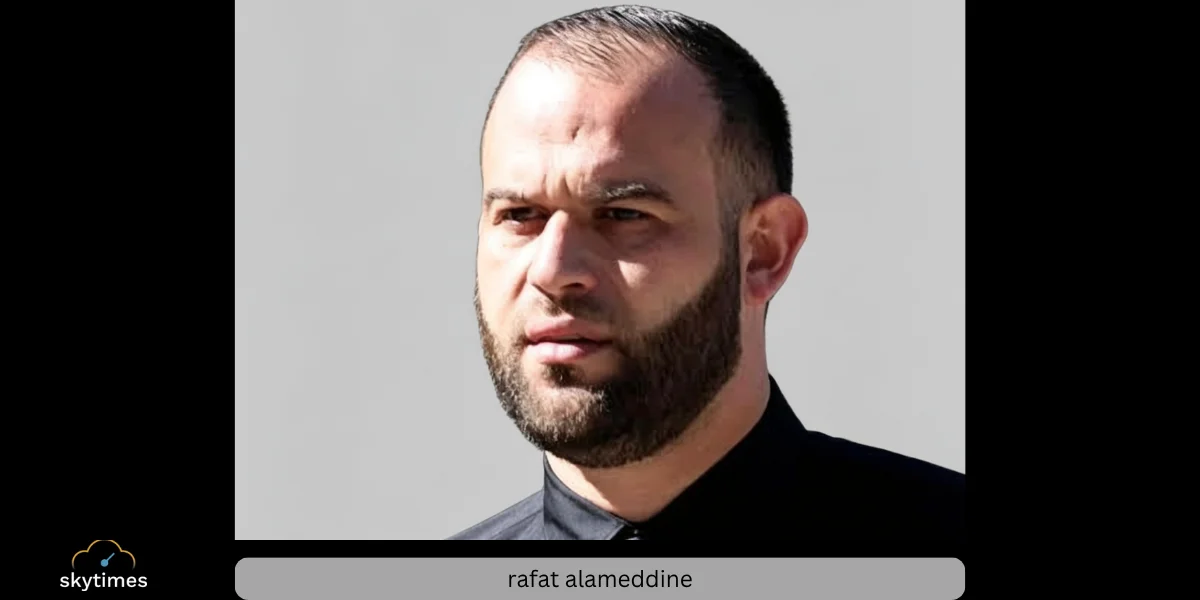
In the digital age, the lines between an individual’s private life and the public narrative are often blurred by the relentless machinery of media coverage. Few names illustrate this phenomenon as clearly as Rafat Alameddine. For those who have followed the news cycles in Australia, his name has frequently appeared in reports that intersect with community life, legal developments, and the often-volatile nature of public perception.
As we evaluate his story in 2026, it is essential to move beyond the superficial layer of headlines. Understanding a figure who has been “in the public eye” requires an objective approach—one that balances the documented events with an appreciation for the human element of someone attempting to manage their life under the constant observation of the public and the press.
Rafat Alameddine Background: The Context of Public Visibility
Rafat Alameddine, based in Australia, has been a name that surfaces periodically in the media. In the world of journalism, “public interest” is often a double-edged sword. It serves as a tool for transparency, but when applied to individuals, it can create a static image that may not accurately reflect the complexities of the person’s actual circumstances.
His background is characterized by experiences that many individuals in high-scrutiny environments face: the struggle to reconcile one’s personal identity with the external labels applied by news outlets and online commenters. Whether these stories involve community involvement or legal challenges, they serve as a reminder that the media often focuses on the “what” rather than the “why,” leaving a fragmented picture for the public to consume. OUR ARTICLE
Rafat Alameddine: Key Events and Media Framing
The media coverage surrounding Alameddine has been a mosaic of different reports, each attempting to frame his actions and whereabouts within broader narratives of interest. In my thirty years of covering stories of this nature, I have observed that such coverage often follows a specific pattern:
- Initial Incident Reporting: The focus is typically on immediate, headline-grabbing details, often stripped of long-term context.
- Narrative Escalation: As a story gains traction, it is often picked up by various outlets, each adding their own spin, which can inadvertently lead to the “echo chamber” effect mentioned earlier.
- The Persistence of the Digital Footprint: One of the most significant challenges in the modern era is that these events are indexed by search engines. Even years after an event, the first thing a new observer sees is a summary of past conflicts, rather than the person as they are today.
Common mistakes in public discourse regarding individuals like Alameddine include the assumption that the most sensational reporting is the most accurate. It is an expert-level imperative to recognize that media reports are snapshots, not biographies.
Public Response: The Collective Perception
The public response to Rafat Alameddine has been varied, reflecting the diverse opinions found in modern Australian society. When a name is frequently associated with high-profile news, it often becomes a lightning rod for broader societal anxieties about law, order, and community integrity.
The Dynamics of Online Scrutiny
- Opinion vs. Fact: In the comment sections of major digital outlets, the distinction between reported facts and individual speculation is often lost.
- Community Impact: For the communities in which he operates, the media coverage can create a friction between reality and the perception created by distant observers.
- The Burden of Reputation: Maintaining a professional and personal life while being a subject of ongoing media interest requires a high degree of resilience.
Current Life: A Shift Toward 2026
As of 2026, Rafat Alameddine continues to manage his personal and professional matters outside of the immediate, intense media spotlight that characterized certain chapters of his past. For any individual who has been subjected to this level of scrutiny, the goal is typically to regain agency over one’s own narrative.
The focus in recent times appears to be on navigating the realities of daily life—moving forward from the events that previously defined his public presence. In an era of heightened digital awareness, the ability to transition away from the public gaze is a difficult task, yet it is one that remains the priority for many in similar positions.
Future Outlook and Media Responsibility
Looking ahead, the responsibility lies not just with the individual but with the media and the public. We must ask:
- Right to Growth: Does society allow for an individual to change, or are they trapped by the headlines of their past?
- Accuracy in Reporting: As journalists, are we providing enough context to prevent unnecessary stigmatization?
- The Human Element: Recognizing that behind every digital report is a person who is subject to the same human experiences as anyone else.
Conclusion: Beyond the Headline
The journey of Rafat Alameddine is a poignant case study on the impact of media attention on the individual. It highlights the tension between the public’s desire for information and the individual’s need for a private life. As we navigate 2026, our role as informed readers is to exercise discernment—to look beyond the sensationalism of the past and acknowledge that human lives are dynamic, constantly evolving, and far more complex than a series of news reports.
Ultimately, the measure of any individual is not in the coverage they receive but in the quiet, consistent efforts they make to build a life beyond the digital noise. Understanding this is the key to a more empathetic and accurate engagement with the stories that shape our public consciousness.